
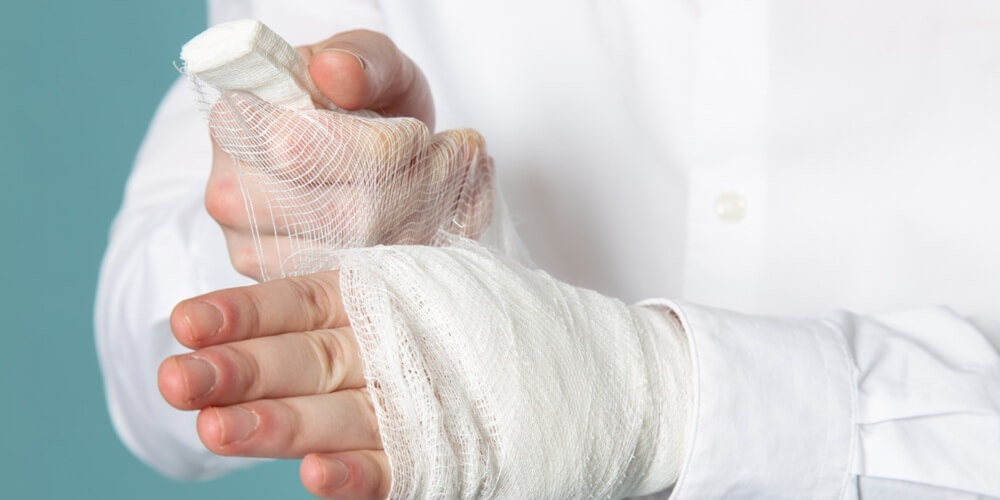
Traumatic injuries and burn-related damage can significantly disrupt the body’s natural tissue structure and healing capacity. When skin and underlying tissues are exposed to severe physical trauma, their protective function, elasticity, and regenerative ability may become compromised. The recovery process involves complex biological mechanisms that aim to restore tissue integrity, rebuild damaged structures, and protect the body from further complications.
Damage caused by accidents or burns may affect not only the outer skin layers but also deeper tissue components such as connective tissue, blood vessels, and nerve endings. Because of this complexity, effective recovery requires both structural repair and functional restoration.
Regenerative medicine focuses on supporting the body’s natural healing processes by enhancing tissue regeneration, improving cellular repair mechanisms, and promoting long-term tissue recovery.
Physical trauma and burn injuries cause structural disruption within the skin and soft tissues. The severity of tissue damage depends on the intensity of injury, depth of tissue involvement, and duration of exposure to harmful factors.
Injury may lead to:
When tissue integrity is compromised, the body activates protective and regenerative mechanisms to initiate healing.
Following trauma or burn exposure, the body initiates an immediate biological response designed to protect damaged tissue and begin repair.
This response includes:
These responses are essential for recovery but may become insufficient in severe injuries.
Tissue repair occurs through a structured sequence of biological stages that gradually restore damaged structures.
The body protects the wound and removes damaged tissue while initiating repair signals.
New tissue forms, and cellular regeneration begins to rebuild damaged structures.
Tissue strengthens, remodels, and regains functional stability.
Disruption in any stage may lead to delayed healing or long-term complications.
Burn injuries often involve extensive tissue destruction and loss of skin integrity. Unlike minor injuries, burns may:
Severe burns may require advanced treatment approaches to support tissue recovery.
Skin and soft tissue provide structural support for movement and protection of underlying systems. When damaged, individuals may experience:
Restoring tissue strength is essential for functional recovery.
Tissue regeneration is essential for restoring the normal structure and function of damaged areas. Without adequate regeneration, healing may result in weakened tissue or long-term structural changes.
Effective regeneration supports:
Regenerative treatment strategies aim to enhance these processes.
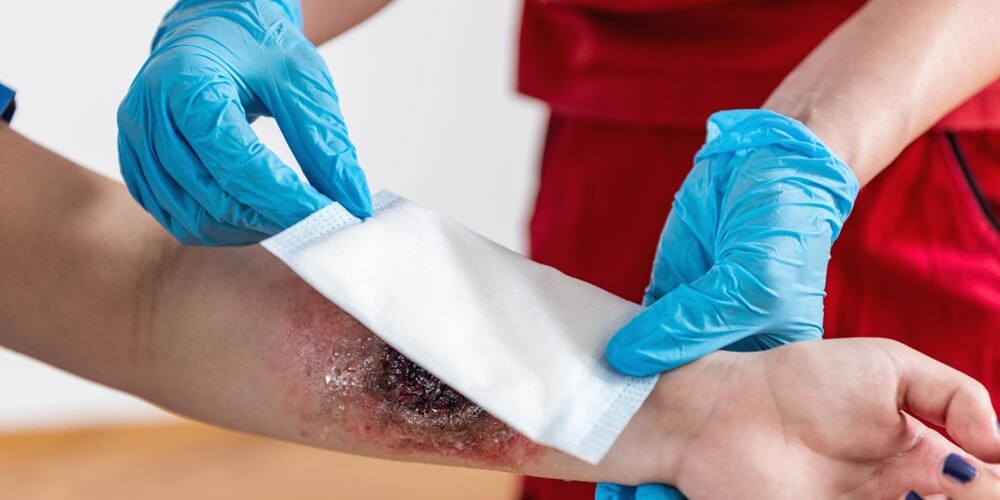
Regenerative medicine focuses on improving biological repair processes rather than only treating visible injury. This approach aims to enhance the body’s ability to restore damaged tissue naturally.
Regenerative strategies may help:
These mechanisms support long-term recovery following trauma.
Stem cell–based regenerative treatment focuses on improving the healing environment of damaged tissue. The therapy supports cellular communication and tissue repair processes that contribute to structural recovery.
Potential supportive effects include:
This biological support enhances the body’s natural healing potential.
Healing outcomes vary depending on multiple clinical and biological factors.
Important influences include:
Individualized treatment planning helps address these variables.
Timely medical intervention supports more effective tissue repair and reduces complications. Early treatment may help:
Prompt care improves recovery potential.
Every injury presents unique structural and functional challenges. Personalized treatment planning allows specialists to evaluate:
Customized care supports safer and more effective recovery.
Regenerative treatment may be considered for individuals who:
Clinical evaluation determines treatment suitability.
Türkiye has become a recognized destination for advanced medical and regenerative care due to modern clinical infrastructure, experienced medical teams, and comprehensive patient support services. Structured treatment planning and continuous monitoring help support recovery and long-term tissue health.

