
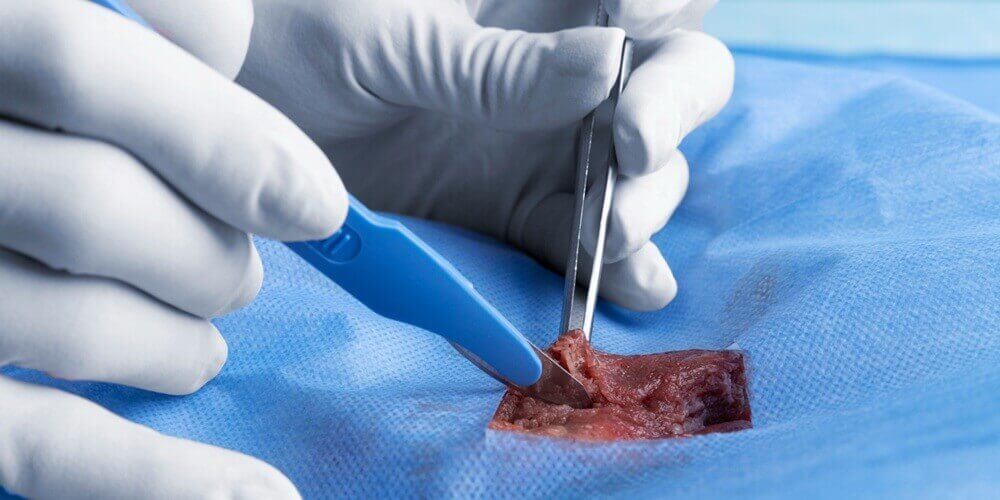
Surgical wound repair is a critical phase of recovery following medical procedures, trauma, or reconstructive interventions. Proper healing of surgical wounds requires complex biological processes that restore damaged tissue, rebuild skin structure, and protect the body from infection. When healing is delayed or incomplete, patients may experience chronic wounds, scarring, tissue loss, or functional complications.
Advances in regenerative medicine have introduced innovative solutions designed to support tissue repair at the cellular level. Stem cell therapy for surgical wound repair in Türkiye offers an advanced regenerative approach focused on enhancing tissue regeneration, supporting skin reconstruction, and improving healing outcomes through biological repair mechanisms.
This treatment aims to improve the body’s natural healing capacity by promoting cellular renewal, supporting tissue growth, and optimizing the wound healing environment.
Surgical wound repair refers to the biological process through which the body restores damaged skin and underlying tissue following surgical procedures or trauma. Healing involves coordinated activity between immune cells, growth factors, and structural proteins that rebuild tissue integrity.
The wound healing process typically includes several stages:
Successful healing restores both structural integrity and functional performance of the affected area.
Effective wound repair is essential for preventing complications and maintaining overall health. Inadequate healing may lead to:
Supporting tissue regeneration helps improve both medical and cosmetic outcomes.
Wound repair may be affected by multiple internal and external factors that interfere with normal tissue regeneration.
Limited circulation restricts oxygen and nutrient delivery to healing tissue.
Persistent inflammation can damage new tissue and delay repair.
Bacterial contamination may disrupt healing processes.
Diabetes and other metabolic disorders may impair tissue regeneration.
Large or complex wounds require longer recovery periods.
Addressing these factors is essential for improving healing outcomes.
Wound healing is a highly organized biological process involving several mechanisms that restore damaged tissue. Tissue repair depends on controlled inflammation, the formation of new blood vessels, and cellular regeneration that rebuilds skin structure.
Key biological processes include:
When any of these processes are disrupted, healing may become delayed or incomplete.
Stem cell therapy for surgical wound repair focuses on enhancing the body’s regenerative capacity by supporting cellular repair and tissue regeneration. The therapy aims to improve the wound environment and stimulate healing at the cellular level.
Regenerative stem cells may help:
Stem cells can release growth factors and signaling molecules that encourage tissue repair and regeneration while supporting the healing environment.

Traditional wound care focuses primarily on protecting the wound and preventing infection. Regenerative medicine takes a different approach by targeting the biological processes responsible for tissue repair.
Regenerative therapy aims to:
This approach supports the body’s natural healing mechanisms rather than only managing symptoms.
Regenerative wound repair may be considered for various types of surgical or tissue damage.
Common applications include:
Treatment planning depends on wound severity and patient health status.
Skin regeneration requires coordinated activity between structural cells, connective tissue, and blood vessels. Stem cell therapy may support this process by promoting new tissue formation and encouraging cellular differentiation into skin-related cell types that contribute to wound repair.
This regenerative activity helps improve tissue structure, reduce healing time, and support long-term skin quality.
Patients may consider regenerative treatment if they:
A comprehensive medical evaluation determines treatment eligibility.
Specialists evaluate wound condition, tissue damage, and overall health.
A customized regenerative treatment plan is developed.
Regenerative cells are prepared and applied using controlled medical protocols.
Recovery progress and tissue regeneration are closely monitored.
Treatment plans are tailored to each patient’s needs and healing response.
Although results vary depending on individual factors, potential benefits may include:
Improvements typically develop gradually as tissue repair progresses.
Stem cell therapy for surgical wound repair may be integrated with standard wound care approaches such as:
A combined treatment strategy supports comprehensive healing and recovery.
Türkiye has become a recognized center for regenerative medical treatments due to advanced clinical infrastructure, experienced specialists, and comprehensive patient care services. Zaren Stem Cell provides individualized treatment programs designed to support tissue regeneration, improve healing outcomes, and enhance patient recovery.

