
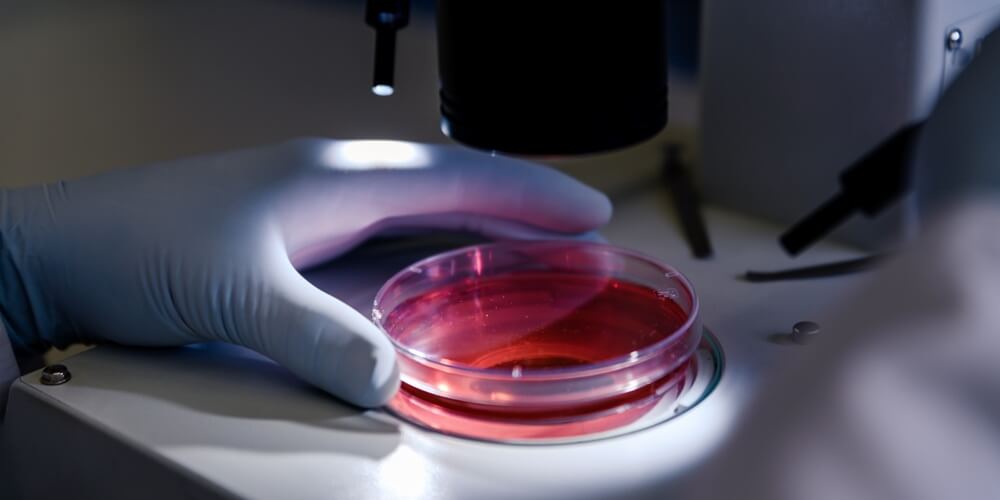
Stem cells are undifferentiated cells that can differentiate into any required cell type. They are the undifferentiated building blocks that the body uses to create skin, muscle, bone, and organs. For decades, researchers have studied these cells in search of one fundamental question: Can stem cells be used to regenerate or repair diseased organs? The answer seems to be yes as scientists around the world continue their tireless efforts on new fronts for the use of stem cell therapy in organ insufficiency, such as in vitro tissue culture, myocardial regeneration, hepatic regeneration, etc., while the medical community watches with eager anticipation. However, it is important to separate fact from fiction among all the hype about stem cell therapy on the internet and various clinics offering miracle cures. They claim stem cells fix everything. This hype hurts real science. It confuses patients. It delays real treatments.
Let us look at the truth. Let us see what stem cells can really do. Let us explore stem cells vs organ transplant. We need honest answers. We need real science.
Doctors perform organ transplants every day. They take a healthy organ from one person. They put it into a sick person. This saves lives. It works well. But it has big problems.
To begin with, we lack sufficient organs; thousands of individuals are on waiting lists for transplants and die in the meantime. This list increases in length every year. The second point is that the body rejects foreign organs, and patients have to take medication throughout their lives with drugs that suppress the immune system. The third point is that such surgeries come at an exorbitant cost, which partially gets reimbursed by insurance companies. Patients still pay huge bills.
The system breaks under pressure. We need another way. This is where regenerative medicine organ repair enters the picture. Scientists ask a simple question. Can we grow new organs instead of moving old ones?
Stem cells have two special powers. First, they copy themselves endlessly. One cell becomes two. Two become four. This continues forever. Second, they change into other cells. A stem cell can become a heart cell. It can become a kidney cell. It can become a brain cell.
Your body holds stem cells right now. They live in your bone marrow. They hide in your fat tissue. They wait for signals to repair damage. Scientists found ways to collect these cells. They grow them in labs. They coax them to become specific tissues.
This opens new doors. Doctors might repair your own organs. They might use your own cells. Your body would not reject them. You would not need immune drugs. This beats traditional transplants.

This is the big question. Everyone wants to know. Will stem cell organ replacement become standard care?
The honest answer is: not yet. But we get closer every year. Scientists have made real progress. They have grown simple tissues. They have fixed small organ parts. They have saved lives with experimental treatments.
Let us look at the facts. Heart disease kills millions. Doctors inject stem cells into damaged hearts. These cells help some patients. They grow new blood vessels. They improve heart function. But they do not grow whole new hearts. Not yet.
Liver disease destroys lives. The liver can heal itself somewhat. Stem cells boost this healing. They help the liver regrow. But a completely dead liver? Stem cells cannot fully replace it. Not yet.
Kidneys fail by the thousands. Patients need dialysis or transplants. Scientists grow tiny kidney tissues in labs. They test them in animals. Real human kidneys from stem cells? That remains years away.
So stem cells vs organ transplant is not a simple either-or choice. Today, transplants save lives. Stem cells help some conditions. In the future, stem cells might do more. They might replace transplants for some organs. They might work alongside transplants for others.
Science moves forward step by step. Let us celebrate real wins.
Scientists grew bladder tissue from stem cells. They implanted it in patients. It worked. These patients lived normal lives. This happened over a decade ago.
Researchers created windpipes from stem cells. They transplanted them into patients. Some patients survived years. This proved the concept works.
Eye doctors use stem cells to fix corneas. They restore sight in some patients. This treatment spreads to more clinics.
Bone marrow transplants are stem cell treatments. Doctors have done these for decades. They cure blood cancers. They fix immune disorders. This is not new. This is proven.
But these are simple tissues. They are flat or tube-shaped. Solid organs are harder. Hearts, livers, and kidneys have complex structures. They need blood vessels. They need nerves. They need exact shapes.
Growing these organs is the holy grail. Scientists chase this goal. They print organs with 3D printers. They seed scaffolds with stem cells. They grow lab-grown organs with stem cells. They succeed with small versions. They succeed in animals. Human-sized organs remain the next challenge.
The internet buzzes with stem cell therapy hype. Social media shows miracle stories. Clinics pop up everywhere. They charge huge fees. They promise cures for everything.
This creates real danger. Patients stop their real treatments. They fly to foreign countries. They pay cash for unproven injections. Sometimes these injections contain no real stem cells. Sometimes they cause harm. Tumors have grown from bad treatments. Infections have spread. People have died.
The FDA warns about these clinics. Legitimate scientists condemn them. But hope is powerful. Desperate people take desperate measures.
Real stem cell research organ regeneration moves slowly. It follows strict rules. It takes years to test treatments. This frustrates everyone. But it protects patients. It ensures new treatments actually work.
We must fight the hype. We must share real science. We must point people to real help. For example, Zaren Stem Cell leads the field with proper medical protocols. They follow regulations. They use proven methods. They put patient safety first.
Scientists work on multiple fronts. Some grow organs from scratch. Others repair damaged organs in place. Both approaches show promise.
Growing organs outside the body is hard. An organ needs structure. Scientists use scaffolds. They take a dead organ. They strip out the cells. They keep the protein framework. Then they seed it with stem cells. The cells grow on this scaffold. They form new tissue.
This worked with rat hearts. Scientists grew tiny human livers. They implanted them in mice. The liver worked for days. Scaling up is the challenge. Human organs are big. They need billions of cells. They need a perfect blood supply.
Repairing organs inside the body might come first. Doctors inject stem cells directly into damaged tissue. The cells release healing factors. They recruit other cells to help. They reduce scarring. They improve function.
This approach treats stem cell treatment for organ damage right where it happens. It avoids surgery to implant whole organs. It is less invasive. It is safer to test.
Both methods advance together. Some organs will come from labs. Others will heal inside you. The future of organ transplants includes both paths.
Different organs pose different challenges. Let us look at the leaders.
Hearts: The heart muscle does not regrow well. Stem cells help some patients after heart attacks. They improve blood flow. They strengthen the remaining muscle. Whole heart replacement? Scientists grow heart tissue patches. They test these in patients. Full biological hearts remain distant.
Livers: The liver regenerates naturally. It is the only organ that does this. Stem cells boost this ability. They help failing livers recover. They might replace transplants for some patients. Complete liver building is harder. But livers lead the pack in near-term solutions.
Kidneys: Kidney failure affects millions. Dialysis keeps people alive. Transplants cure them. But donor kidneys are rare. Scientists grow kidney organoids. These are tiny kidney tissues. They filter blood in labs. Scaling up is tough. Kidneys need complex filtration systems. But demand drives innovation. Kidney solutions will come.
Lungs: Lung disease kills millions. Transplants help few. Stem cells reduce inflammation. They might regrow small lung sections. Whole lung replacement? This lags behind other organs. But researchers work hard.
Pancreas: Diabetes destroys pancreas cells. Scientists turn stem cells into insulin-producing cells. They implant these in patients. Early trials show promise. This could cure type 1 diabetes. It might reduce transplants for diabetics.
Quality matters in stem cell treatment. Patients need safe, effective care. They need real medical expertise.
Zaren Stem Cell stands at the forefront. The clinic combines research with patient care. They use advanced stem cell technologies. They follow international standards. They document every result.
The clinic treats various conditions. They help patients with organ damage. They use stem cells for organ regeneration protocols. They customize treatments for each person.
What makes them different? They do not follow the hype. They follow the science. They use cells from safe sources. They process them in certified labs. They monitor patients carefully.
For anyone considering stem cell therapy for organ failure, choosing the right clinic is crucial. Zaren Clinic has built a reputation for excellence. They represent what this field should be. They show how stem cells can help patients right now.
Science faces real barriers. Understanding them helps set realistic hopes.
Blood supply: Organs need blood vessels. Growing these vessels is hard. Scientists must create tiny capillaries. They must connect them to larger vessels. Without blood, organs die.
Nerve connections: Organs need nerves. Hearts need signals to beat. Bladders need signals to empty. Growing nerves into new organs is complex.
Immune matching: Even stem cells from your body can trigger reactions. Scientists must ensure purity. They must remove any cells that could cause trouble.
Scale: Lab dishes hold small tissues. Human organs are huge. Growing enough cells takes time. Keeping them alive takes skill.
Regulation: New treatments need approval. This takes years. It costs millions. It protects patients. But it slows progress.
Cost: Research is expensive. Treatments will be expensive at first. Making them affordable is a challenge.
These barriers fall one by one. Scientists solve problems daily. But it takes time. It takes patience. It takes funding.
Hope should not blind us. Patients must protect themselves.
First, research any clinic thoroughly. Check their credentials. Look for published studies. Verify their regulatory approvals.
Second, avoid clinics that promise cures. Real doctors give honest odds. They admit uncertainties. They discuss risks.
Third, be wary of cheap treatments. Real stem cell therapy costs money. Cheap injections might contain nothing useful. They might contain dangerous materials.
Fourth, talk to your regular doctor. Get their opinion. They know your full health picture.
Fifth, consider established centers. Zaren Stem Cell maintains high standards. They offer transparency. They provide documented results.
The stem cell therapy hype will continue. New clinics will open. Some will be legitimate. Others will be scams. Education is your best defense.

The future of organ transplants will look different. It will blend old and new methods.
In five years, More patients will receive stem cell injections. These will help hearts, joints, and tissues. Some patients will avoid transplants. Others will wait longer for transplants because stem cells buy them time.
In ten years, we might see the first lab-grown organs with stem cells implanted in humans. These will be simple organs first. Bladders and tracheas will lead. Solid organs like hearts will follow.
In twenty years, Organ donor lists might shrink. Custom-grown organs could become common. Your own cells would build your new organ. No rejection drugs needed. No waiting for donors.
This future depends on continued research. It depends on funding. It depends on smart regulation. It depends on ethical practice.
This depends on your situation. Talk to specialists. Get multiple opinions.
If you have early organ damage, stem cell treatment for organ damage might help. It might slow progression. It might improve function. It might delay or prevent transplant needs.
If you face a transplant soon, stem cells might not replace that need yet. But they might help you wait safely. They might improve your condition for surgery.
If you have no options left, clinical trials might offer hope. These trials test new treatments. They carry risks. They carry hopes.
Zaren Stem Cell offers consultations. They evaluate your case. They suggest honest options. They do not promise miracles. They promise professional care.
Patients can help. Advocates can help. Everyone can play a part.
Support research funding. Vote for medical research. Donate to legitimate organizations. Fundraising drives discovery.
Participate in clinical trials. These need volunteers. They test safety. They test effectiveness. Without volunteers, progress stops.
Spread accurate information. Fight the stem cell therapy hype. Share real science. Warn against scams.
Demand regulation. Support agencies that oversee treatments. Good rules protect patients. They also help good clinics thrive.
Celebrate real wins. When stem cell research organ regeneration succeeds, share the news. Hope based on facts is healthy. It drives progress.
Science always has gaps. Knowing them helps us grow.
We do not fully control stem cells. Sometimes they grow too much. They might form tumors. We need perfect control.
We do not know the long-term effects. New treatments need decades of follow-up. Will repaired organs last a lifetime? We are still learning.
We do not know which stem cell type works best. Embryonic stem cells? Adult stem cells? Reprogrammed cells? Each has pros and cons.
We do not know the best delivery methods. Injections? Implants? Genetic modifications? Combinations?
These questions drive research. Each answer brings us closer. Each answer helps patients.
Will stem cells replace organ transplants? The complete answer is: eventually, partially, and progressively.
Stem cells will not replace all transplants tomorrow. They help some patients today. They will help more next year. They might eliminate some transplant needs in a decade. They will transform medicine in our lifetime.
The key is patience. The key is science. The key is choosing the right providers.
Regenerative medicine organ repair represents one of medicine's greatest frontiers. It offers real hope. It demands real caution. It requires real expertise.
For those seeking treatment now, choose wisely. Zaren Stem Cell represents the standard that patients should expect. They combine innovation with safety. They offer stem cell organ replacement possibilities based on real science.
The stem cells vs organ transplant debate will evolve. It will not end with one replacing the other. It will end with better options for every patient. It will end with longer lives. It will end with less suffering.
That future is worth waiting for. That future is worth working for. That future is coming.

