 English
 Français
  Deutsch
  Русский
  Italiano
  Español
  Português

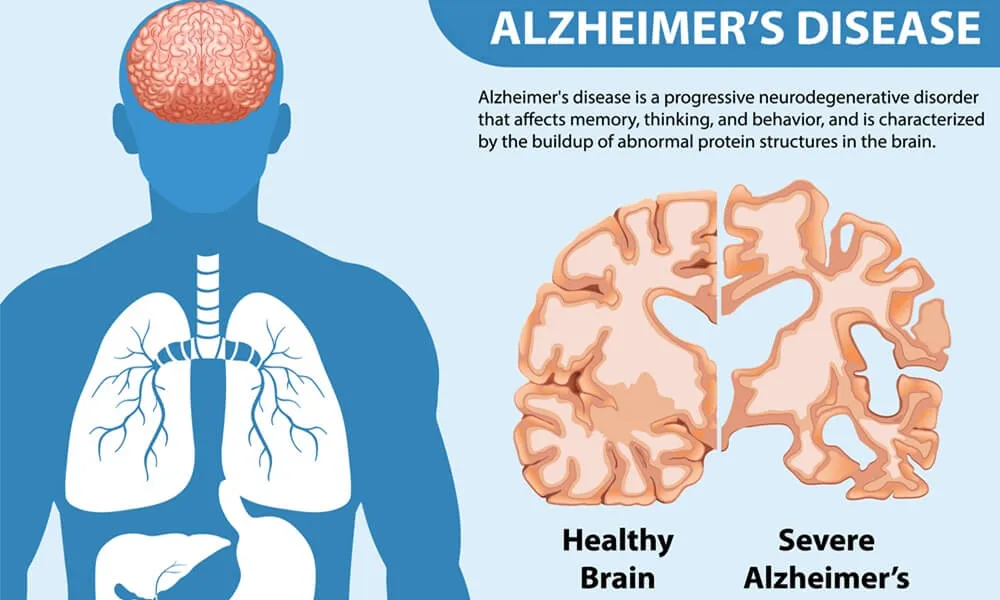
Alzheimer’s disease is a progressive neurodegenerative disorder that gradually affects memory, thinking ability, behavior, and independence. As the most common form of dementia, it represents a major global health challenge. Families often struggle not only with cognitive decline but also with emotional, behavioral, and functional deterioration over time. Conventional therapies focus primarily on symptom management and temporary stabilization, but they do not reverse neuronal damage or fully address underlying inflammatory and degenerative processes.
For patients seeking innovative, biologically targeted approaches, stem cell therapy for Alzheimer’s disease in Türkiye offers an advanced regenerative medicine option designed to support neural environments, regulate immune activity, and potentially improve cognitive function through cellular-level mechanisms.
What Is Alzheimer’s Disease?
Alzheimer’s disease is a chronic, progressive neurological disorder characterized by the destruction of neurons and synaptic connections in the brain. It most commonly affects areas responsible for memory, language, and executive function.
The disease is associated with:
- Amyloid-beta plaque accumulation between nerve cells
- Neurofibrillary tangles (tau protein aggregates) inside neurons
- Chronic neuroinflammation
- Oxidative stress
- Synaptic degeneration
- Progressive neuronal death
These biological disruptions impair communication between brain cells, leading to cognitive decline and behavioral changes.
What Are the Risk Factors for Alzheimer’s Disease?
Understanding risk factors is important when considering preventive and supportive therapies. Common risk factors include:
- Advanced age
- Genetic predisposition (e.g., APOE-e4 gene)
- Cardiovascular disease
- Diabetes and metabolic syndrome
- Chronic inflammation
- Sedentary lifestyle
- Traumatic brain injury
- Poor sleep quality
Many of these factors are associated with inflammatory and immune-related pathways — mechanisms that regenerative medicine aims to influence.
What Are the Early, Moderate, and Late Symptoms of Alzheimer’s?
Early Stage Symptoms
- Mild memory lapses
- Difficulty recalling recent conversations
- Trouble finding words
- Minor disorientation
- Reduced problem-solving ability
Moderate Stage Symptoms
- Increased confusion
- Personality or mood changes
- Difficulty performing daily tasks
- Wandering behavior
- Reduced attention span
Advanced Stage Symptoms
- Severe memory impairment
- Loss of speech ability
- Difficulty swallowing
- Loss of independence
- Dependence on full-time care
Early intervention may provide better opportunities for supportive regenerative strategies such as stem cell therapy for Alzheimer’s disease.
How Does Neuroinflammation Contribute to Alzheimer’s?
Chronic inflammation in the brain is increasingly recognized as a driving force in Alzheimer’s progression. Activated immune cells (microglia) release inflammatory cytokines that may:
- Accelerate neuronal damage
- Increase oxidative stress
- Promote amyloid plaque formation
- Impair synaptic plasticity
Persistent neuroinflammation creates a toxic microenvironment that worsens degeneration. One therapeutic target of stem cell therapy for Alzheimer’s in Türkiye is the modulation of this inflammatory cascade.
How Does Stem Cell Therapy for Alzheimer’s Disease Work?
Stem cell therapy for Alzheimer’s disease does not directly replace damaged neurons. Instead, it works through powerful biological signaling mechanisms.
Mesenchymal stem cells (MSCs), commonly used in regenerative medicine, are known for their ability to:
- Regulate immune responses
- Reduce pro-inflammatory cytokines
- Release neurotrophic growth factors
- Support mitochondrial function
- Promote cellular communication
- Encourage neuroprotective signaling pathways
These effects may help create a healthier neural microenvironment, potentially slowing degeneration and supporting cognitive stability.
What Biological Pathways Are Influenced by Regenerative Treatment?
Regenerative therapy may influence:
- Inflammatory signaling pathways (e.g., TNF-alpha, IL-6)
- Oxidative stress responses
- Neural growth factor production
- Microglial activation regulation
- Synaptic plasticity mechanisms
- Blood-brain barrier integrity
By addressing these biological systems, stem cell treatment for Alzheimer’s disease may provide supportive effects beyond symptomatic relief.
Who Is a Candidate for Stem Cell Therapy for Alzheimer’s in Türkiye?
Candidates for stem cell therapy for Alzheimer’s disease in Türkiye may include individuals who:
- Have mild to moderate Alzheimer’s
- Have a confirmed neurological diagnosis
- Are medically stable
- Do not have active infection or uncontrolled systemic illness
- Are committed to structured follow-up care
A detailed consultation includes cognitive testing, neurological review, imaging studies (MRI, PET if applicable), and laboratory assessment.
What Does the Treatment Process Involve?
Comprehensive Medical Evaluation
A thorough review of cognitive performance, imaging, and overall health determines eligibility.
Laboratory Processing
Stem cells are prepared under strict clinical quality standards to ensure safety and viability.
Administration Protocol
Cells are delivered through physician-guided regenerative protocols designed to support immune modulation and neural signaling.
Monitoring and Follow-Up
Cognitive function, behavioral changes, and daily living capacity are assessed regularly over time.
Treatment plans are individualized and may include supportive lifestyle and rehabilitation strategies.
What Are the Potential Benefits of Stem Cell Therapy for Alzheimer’s?
While results vary among individuals, potential benefits may include:
- Improved memory recall
- Enhanced attention and focus
- Better emotional regulation
- Reduced agitation
- Improved sleep patterns
- Slower cognitive decline
- Increased daily independence
Most improvements are gradual and become noticeable over weeks to months when regenerative therapy is integrated into comprehensive care.
How Does Stem Cell Therapy Complement Standard Alzheimer’s Care?
Stem cell therapy for Alzheimer’s disease is not a replacement for conventional treatment. It is designed to complement:
- Cholinesterase inhibitors
- NMDA receptor antagonists
- Cognitive therapy
- Nutritional support
- Physical activity programs
- Behavioral therapy
A multidisciplinary approach combining neurological care with regenerative medicine may provide broader support for patients.
Is Stem Cell Therapy for Alzheimer’s Safe?
Safety is a priority at Zaren Stem Cell. The regenerative cells used are selected for their immunomodulatory properties and are administered in controlled medical environments by experienced professionals.
Patients receive detailed consultation regarding:
- Potential risks
- Expected outcomes
- Timeline of response
- Ongoing monitoring
Regenerative therapy should always be coordinated with a neurologist.
Why Choose Stem Cell Therapy in Türkiye for Alzheimer’s Disease?
Türkiye has become a global destination for regenerative medicine due to:
- Advanced clinical infrastructure
- Experienced regenerative neurology specialists
- Comprehensive international patient services
- Cost-effective treatment options
Zaren Stem Cell offers personalized protocols, structured follow-up, and dedicated patient coordination for individuals seeking advanced neurological support.
What Can Patients Expect After Treatment?
Response varies depending on disease stage, overall health, and integration with supportive care. Many patients report:
- Gradual cognitive stabilization
- Improved interaction and engagement
- Better daily functioning
- Enhanced quality of life
Long-term monitoring ensures adjustments to maximize patient outcomes.