 English
 Français
  Deutsch
  Русский
  Italiano
  Español
  Português

Vision is one of the most precious senses, and damage to the retina layer can profoundly impact quality of life. The retina is essential for converting light into the electrical signals the brain interprets as vision, which is why conditions affecting retinal integrity can lead to blurred vision, vision loss, or other visual disturbances. For patients seeking innovative options that go beyond conventional therapies, stem cell therapy for damage to the retina layer in Turkey offers a regenerative approach designed to address underlying cellular dysfunction and support tissue health. At Zaren Stem Cell, individualized protocols focus on reducing inflammation, supporting cellular repair, and promoting healthier retinal environments through advanced regenerative treatment for retinal damage.
What Is Stem Cell Therapy for Damage to the Retina Layer?
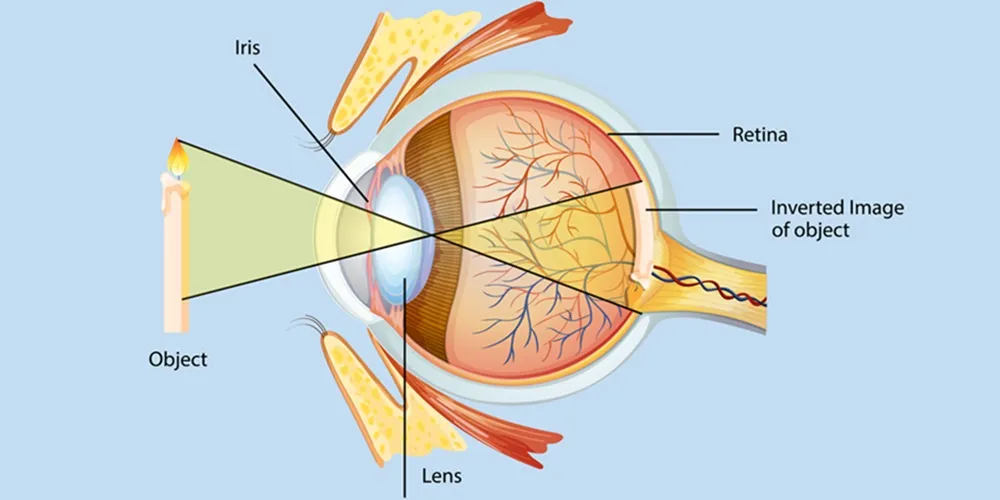
Stem cell therapy for damage to the retina layer is a regenerative medical approach that uses specialized cells to support repair processes in the retina—the light-sensing tissue at the back of the eye. Damage to the retina can result from conditions such as diabetic retinopathy, age-related macular degeneration (AMD), retinal detachment, or trauma. These conditions often involve inflammation, vascular changes, or cellular loss within the retina.
Traditional treatments—such as laser therapy, injections, or surgery—are usually aimed at managing symptoms or halting progression. In contrast, regenerative treatment for retinal damage aims to leverage the biological properties of stem cells to support cellular environments and promote tissue-level signaling for repair.
How Does Stem Cell Treatment for Retinal Damage Work?
The potential therapeutic value of stem cell treatment for retinal damage lies in the unique biological characteristics of mesenchymal stem cells (MSCs) and other regenerative cell types. These cells are known for:
- Anti-inflammatory and immunomodulatory effects
- Ability to secrete growth factors that support cellular signaling
- Potential to support tissue repair pathways
- Contribution to healthier microenvironments within damaged retinal tissue
In conditions that affect the structural integrity of the retina, chronic inflammation and cellular stress contribute to disease progression. Stem cell therapy for damage to the retina layer aims to help balance immune activity and support cellular processes that may promote tissue resilience and reduced inflammatory burden.
Which Conditions May Benefit from Stem Cell Therapy for Retinal Damage in Turkey?
Patients considering stem cell therapy for damage to the retina layer in Turkey may be affected by:
- Diabetic retinopathy
- Age-related macular degeneration (AMD)
- Retinal tears or detachments
- Traumatic retinal injury
- Retinal degeneration disorders
Eligibility for treatment is determined through a comprehensive medical assessment, including vision testing, diagnostic imaging (such as OCT), review of medical history, and overall health evaluation. This helps ensure that stem cell therapy for retinal damage may be an appropriate and potentially supportive component of an individualized care plan
What Is the Treatment Process for Retinal Damage Stem Cell Therapy in Turkey?
Stem cell therapy for damage to the retina layer in Turkey at Zaren Stem Cell follows a structured and patient-focused process:
Medical Evaluation and Consultation
A thorough review of visual function tests, imaging results, medical history, and symptoms is conducted to build a tailored treatment plan.
Stem Cell Preparation
Regenerative cells are processed in controlled clinical environments to ensure safety and clinical quality.
Administration of Stem Cells
Based on the clinical indication, stem cells are delivered using methods determined by the medical team that aim to support retinal cellular environments.
Follow-Up and Monitoring
Ongoing assessments track changes in visual comfort, symptom progression, and retinal health markers.
This comprehensive approach emphasizes safety, individualized care, and ongoing evaluation.
What Are the Potential Benefits of Regenerative Treatment for Retinal Damage?
Although outcomes vary among individuals, potential benefits of regenerative treatment for retinal damage may include:
- Support for healthier retinal microenvironments
- Reduction of chronic inflammation affecting vision
- Positive influence on visual comfort and function
- Stabilization of disease progression in certain cases
- Support for improved visual quality in daily activities
Many patients undergoing stem cell therapy for retinal damage report gradual improvements in visual stability and overall comfort when regenerative treatment is combined with regular ophthalmologic care.
Is Stem Cell Therapy for Retinal Damage Safe?
Ensuring patient safety is a cornerstone of all treatments at Zaren Stem Cell. Mesenchymal stem cells used in regenerative protocols have been studied for their immunomodulatory and anti-inflammatory effects and are delivered in controlled medical environments by experienced clinicians trained in regenerative medicine.
During the consultation process, potential risks, benefits, and individualized expectations are explained in detail to support informed decision-making. Stem cell therapy for damage to the retina layer is best understood as part of a comprehensive care plan often coordinated with routine ophthalmologic monitoring.
Why Choose Stem Cell Therapy in Turkey for Retinal Damage?
Turkey has emerged as a global destination for advanced regenerative treatments, including stem cell therapy for damage to the retina layer in Turkey, due to:
- Modern facilities with internationally recognized clinical standards
- Specialist teams experienced in regenerative medicine approaches
- Cost-effective treatment options compared to many Western countries
- Integrated patient support services, including travel and accommodation coordination
Zaren Stem Cell provides personalized treatment planning and dedicated care coordination to guide patients through every stage of their regenerative journey.
Can **Stem Cell Therapy Replace Traditional Retinal Treatments?
While stem cell therapy for damage to the retina layer may offer supportive benefits for retinal cellular health and visual comfort, it is not a replacement for all traditional ophthalmologic care such as laser procedures, surgical intervention, or injection-based therapies. Regenerative therapy is best viewed as a complementary approach designed to support cellular processes and immune regulation in conjunction with routine eye care.
Any adjustments to existing treatment plans should be discussed and managed by qualified eye care professionals.
What Can Patients Expect After Stem Cell Treatment for Retinal Damage?
Recovery and potential improvement timelines vary among patients. Some individuals may experience gradual improvements in visual comfort within weeks, while others may observe changes over a longer period. Factors that influence outcomes include:
- The specific retinal condition being treated
- Degree of retinal damage prior to treatment
- Overall health and lifestyle considerations
- Consistency with follow-up recommendations
Regular follow-up care helps monitor visual outcomes and guide ongoing recommendations for eye health.
How Can You Begin Stem Cell Therapy for Damage to the Retina Layer in Turkey?
If you are exploring advanced options to support retinal health and visual function, stem cell therapy for damage to the retina layer in Turkey at Zaren Stem Cell may be an option to consider. To start your journey:
- Schedule a personalized consultation
- Share your medical history and recent eye imaging results
- Discuss realistic expectations and goals
- Receive a tailored treatment plan designed for your condition
Contact Zaren Stem Cell to book your free consultation and learn how advanced regenerative treatment for retinal damage may support your path toward improved visual health.