
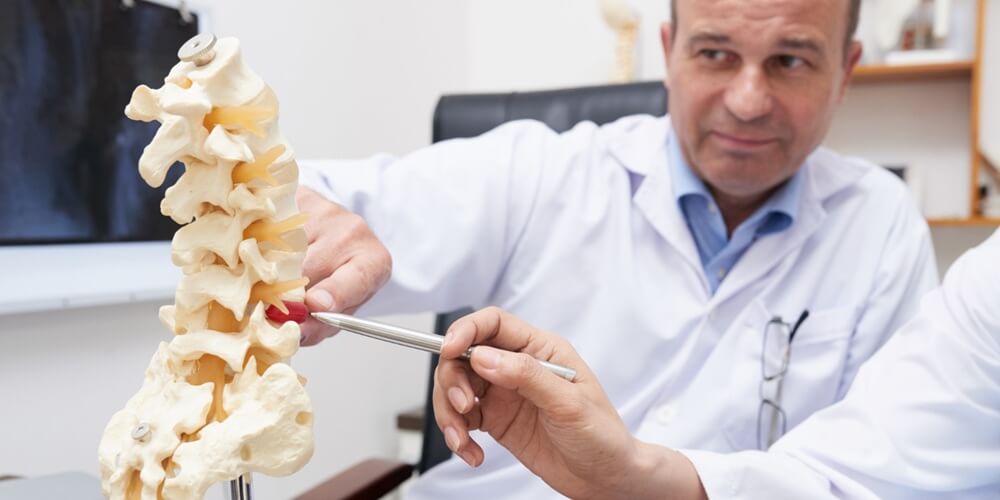
Intervertebral disc degeneration is a spinal condition characterized by the gradual deterioration of the discs located between the vertebrae. These discs play an essential role in spinal flexibility, shock absorption, and movement control. When disc structure weakens or loses hydration, the spine may lose its ability to function smoothly, leading to chronic pain, stiffness, and reduced mobility.
This condition commonly develops due to aging, mechanical stress, or spinal injury and may significantly affect quality of life. While traditional treatments often focus on symptom management, stem cell therapy for intervertebral disc degeneration in Türkiye offers a regenerative approach designed to support disc tissue repair, reduce inflammation, and improve spinal function.
Intervertebral disc degeneration occurs when the spinal discs gradually lose their structure and function. These discs are soft, cushion-like structures that separate the vertebrae and help absorb mechanical stress during movement.
Healthy discs contain a gel-like core that maintains flexibility and resilience. Over time, structural changes may occur, including:
As discs deteriorate, spinal stability and movement may become impaired.
Disc degeneration develops due to a combination of biological and mechanical factors.
Natural aging reduces disc hydration and structural integrity.
Continuous spinal loading accelerates disc wear.
Accidents or structural damage may initiate degeneration.
Improper spinal alignment increases pressure on discs.
Inherited factors may influence disc health and resilience.
These factors contribute to progressive structural changes within the spine.
Symptoms vary depending on the location and severity of disc involvement.
Common symptoms include:
In some cases, disc degeneration may affect surrounding nerves and cause radiating pain or weakness.
Intervertebral discs are essential for maintaining spinal stability and movement. When disc structure deteriorates:
These changes may significantly impact daily activities and physical performance.
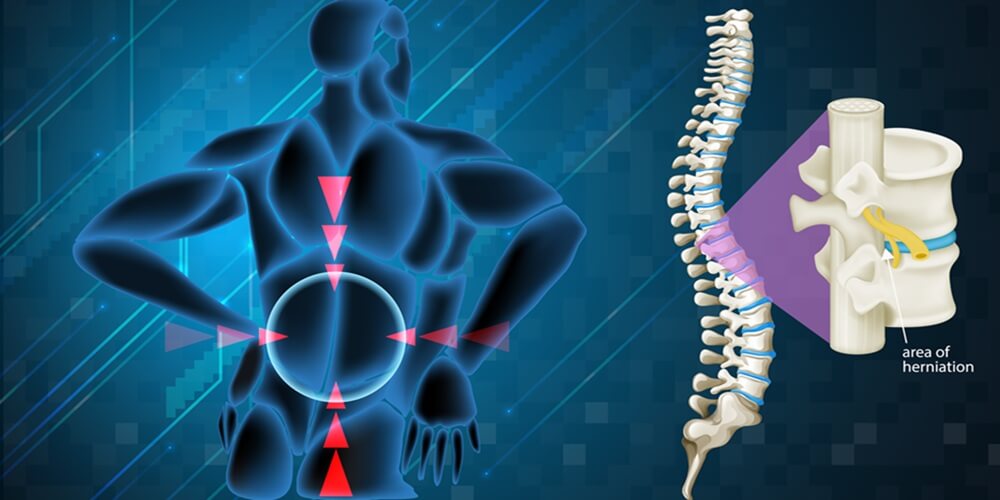
Disc hydration allows spinal discs to maintain flexibility and absorb mechanical stress. When discs lose water content:
Supporting disc tissue health is therefore essential for maintaining spinal function.
Stem cell therapy for disc degeneration is a regenerative treatment designed to support biological repair processes within damaged disc tissue. Rather than focusing solely on pain management, regenerative therapy aims to improve the structural and functional environment of spinal discs.
Stem cells used in treatment may help:
These biological mechanisms aim to support spinal function and reduce symptoms under clinical supervision.
Intervertebral discs have limited natural healing ability due to restricted blood supply. Regenerative treatment focuses on:
This approach targets underlying tissue degeneration rather than only managing symptoms.
Disc degeneration may occur in different regions of the spine.
May cause neck stiffness and limited head movement.
Less common but may affect posture and mobility.
Most frequently affected region due to weight-bearing stress.
The location of degeneration influences symptoms and treatment planning.
Patients may consider regenerative treatment if they:
A comprehensive orthopedic and neurological evaluation determines treatment suitability.
Specialists assess disc condition, spinal alignment, and overall health.
A customized supportive treatment strategy is developed.
Regenerative cells are prepared and delivered using physician-guided techniques.
Ongoing monitoring supports recovery and long-term spinal health.
Personalized care ensures safe and effective treatment planning.
Although results vary between individuals, potential benefits may include:
Gradual improvement typically occurs as tissue repair develops.
Stem cell therapy for intervertebral disc degeneration may be combined with traditional treatments such as:
A multidisciplinary treatment approach supports comprehensive spinal care.
Türkiye has become a leading destination for regenerative medical care due to advanced clinical infrastructure, experienced specialists, and comprehensive patient support services. Zaren Stem Cell provides personalized treatment planning, integrated care, and continuous monitoring to support spinal health and functional recovery.
Recovery timelines vary depending on the severity of disc degeneration and individual health factors. Many patients experience gradual improvements in pain reduction, mobility, and spinal function with structured follow-up and supportive care.

