 English
 Français
  Deutsch
  Русский
  Italiano
  Español
  Português

Traumatic brain injury (TBI) is a serious neurological condition caused by a sudden impact, blow, or jolt to the head that disrupts normal brain function. It can range from mild concussion to severe brain damage, often leading to long-term physical, cognitive, and emotional challenges. While conventional treatment focuses on stabilization, rehabilitation, and symptom management, many patients seek advanced options that target underlying neurological damage. Stem cell therapy for traumatic brain injury in Türkiye offers a regenerative medicine approach designed to support neural repair, modulate inflammation, and enhance recovery potential.
What Is Traumatic Brain Injury (TBI)?
Traumatic brain injury (TBI) occurs when an external force causes damage to brain tissue. Common causes include:
- Falls
- Motor vehicle accidents
- Sports injuries
- Assault or blunt trauma
- Military blast exposure
Symptoms of TBI vary depending on severity and may include:
- Memory loss and confusion
- Headaches and dizziness
- Difficulty concentrating
- Speech and motor impairment
- Mood changes or personality shifts
- Loss of consciousness
In moderate to severe cases, TBI can result in long-term neurological impairment due to inflammation, neuronal damage, and disrupted brain signaling pathways.
How Does Brain Damage Occur After a TBI?
Brain injury often involves two phases:
- Primary injury – Immediate damage from impact.
- Secondary injury – Ongoing inflammation, swelling, oxidative stress, and immune response that further damage brain cells.
This secondary inflammatory cascade can worsen neuronal loss and impair the brain’s ability to repair itself. Chronic neuroinflammation is one of the key factors linked to long-term complications following traumatic brain injury.
How Can Stem Cell Therapy for Traumatic Brain Injury Work?
Stem cell therapy for traumatic brain injury focuses on supporting the brain’s microenvironment rather than directly replacing damaged neurons. Mesenchymal stem cells (MSCs), commonly used in regenerative medicine, are known for their:
- Anti-inflammatory properties
- Immunomodulatory effects
- Secretion of neurotrophic growth factors
- Support for cellular signaling pathways
These biological actions may help:
- Reduce chronic neuroinflammation
- Support neural communication
- Promote tissue repair mechanisms
- Enhance functional recovery potential
By targeting inflammation and immune imbalance, regenerative treatment for TBI may create conditions that support neurological stabilization and gradual improvement.
Which Symptoms May Improve With Regenerative Treatment?
Patients exploring stem cell therapy for TBI in Türkiye often seek support for:
- Memory and cognitive difficulties
- Impaired concentration
- Mood instability
- Motor coordination problems
- Chronic headaches
- Fatigue and sleep disturbances
While results vary, many individuals report improved clarity, better emotional regulation, and enhanced functional performance when regenerative therapy is integrated with rehabilitation programs.
Who May Be a Candidate for Stem Cell Therapy for TBI in Türkiye?
Candidates for stem cell therapy for traumatic brain injury may include individuals who:
- Have a confirmed diagnosis of TBI
- Experience persistent post-concussion symptoms
- Have completed acute medical stabilization
- Are medically stable for regenerative procedures
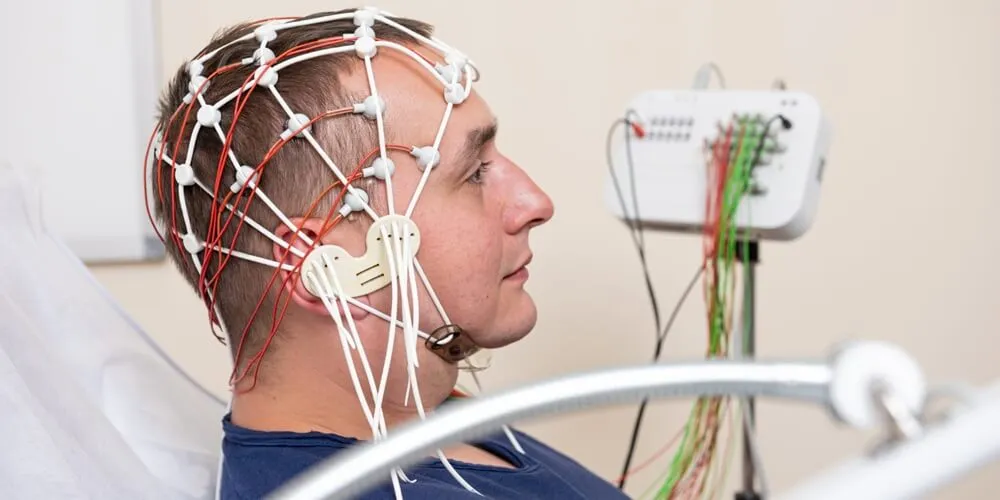
A comprehensive evaluation is performed to review neurological history, imaging studies (MRI or CT), symptom severity, and overall health before treatment planning.
What Is the Treatment Process?
At Zaren Stem Cell, the process for stem cell therapy for traumatic brain injury in Türkiye includes:
Comprehensive Medical Assessment
A detailed neurological review and medical evaluation determine treatment suitability.
Stem Cell Preparation
Cells are processed in controlled laboratory environments to ensure quality and safety.
Administration Protocol
Stem cells are delivered using physician-guided regenerative protocols designed to support neural environments.
Follow-Up Monitoring
Patients undergo structured follow-up to assess cognitive, motor, and emotional progress.
This personalized approach ensures that treatment aligns with each patient’s neurological condition and recovery goals.
What Are the Potential Benefits of Stem Cell Therapy for TBI?
Potential benefits of stem cell therapy for traumatic brain injury may include:
- Reduced neuroinflammation
- Improved cognitive performance
- Enhanced memory and attention
- Better motor coordination
- Increased emotional stability
- Support for long-term neurological recovery
Although regenerative therapy is not a guaranteed cure, it may complement rehabilitation efforts and enhance overall quality of life.
How Does Neuroinflammation Impact Recovery?
After traumatic brain injury, chronic inflammation can disrupt neuronal communication and impair healing. Persistent immune activation may lead to ongoing symptoms such as brain fog, mood disturbances, and cognitive decline. Stem cell therapy for TBI targets this inflammatory environment, helping regulate immune responses that may interfere with recovery.
Reducing inflammation may support improved neural signaling and functional stabilization over time.
Is Stem Cell Therapy for Traumatic Brain Injury Safe?
Safety is a priority at Zaren Stem Cell. Stem cells used in treatment are selected for their immunomodulatory and anti-inflammatory characteristics and are administered in controlled clinical environments by trained medical professionals.
During consultation, patients receive detailed information regarding potential risks, realistic outcomes, and expected timelines. Regenerative therapy is best viewed as part of a comprehensive neurological care plan.
Why Choose Stem Cell Therapy in Türkiye for TBI?
Türkiye has become a recognized destination for regenerative medicine due to:
- Advanced clinical infrastructure
- Experienced regenerative specialists
- International patient coordination services
- Cost-effective treatment options
At Zaren Stem Cell, treatment plans are customized and supported by ongoing follow-up care to ensure long-term patient support and monitoring.
How Does Regenerative Therapy Complement Rehabilitation?
Stem cell therapy for traumatic brain injury is designed to complement traditional treatments such as:
- Physical therapy
- Occupational therapy
- Cognitive rehabilitation
- Neurological monitoring
Combining regenerative medicine with structured rehabilitation programs may offer a more comprehensive strategy for functional recovery.