
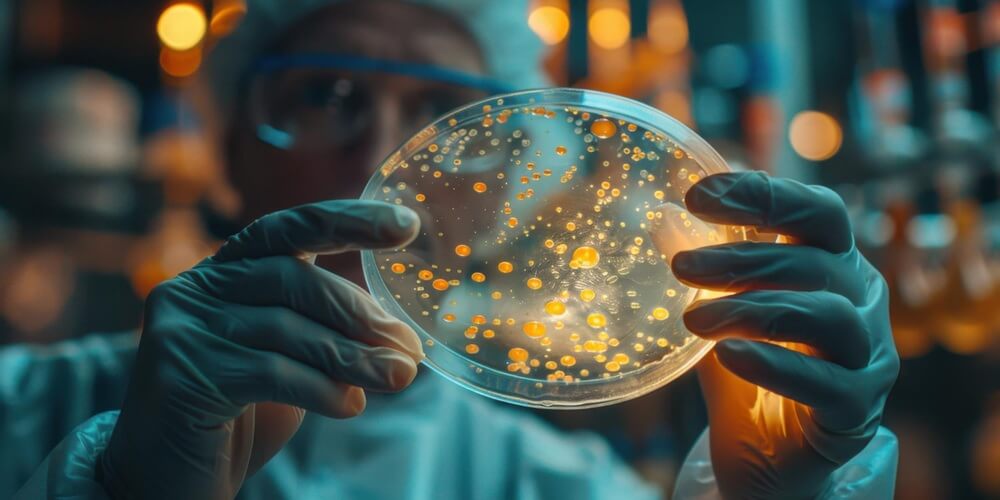
Stem cells in modern medicine are the parent cells of all cell types, tissues, and organs of the body. As such, they are crucial for the body's regenerative and repair processes. Stem cells are responsible for the production of differentiated cell types as well as the regeneration and repair of tissues, organs, and other biological structures. Over the past several decades, there has been tremendous progress in the field of stem cells. What is occurring now is a culmination of all of that progress, and the new advancements that are resulting in ongoing clinical trials, and the use of new products that are providing treatments and cures for untreatable and often fatal diseases, in a truly lasting and unprecedented manner.
It is predicted that the future of stem cells as therapies will be very rosy, and stem cells will continue to be an important component of medicine and everyday life for at least 20 years. It’s now 50 years since we first discovered that you could grow tissues from Embryonic Stem cells, and we’ve worked out that there are stem cells residing in the bone marrow with two key characteristics – self-renewal and the ability to produce all types of blood cells. Most people know that stem cell transplants are used to treat a variety of cancers, such as leukaemia.
Things really began to change when Embryonic Stem Cells were discovered in 1998. Researchers were then able to culture stem cells from mice that were able to become almost any cell type in the body (cardiac, neural, hepatic, etc.) and were therefore multipotent. Great for experimentation, but now the controversy of where the embryos for the stem cells come from has caused a great deal of controversy and really held up a great deal of the progress. It wasn’t until 2006, when the Japanese scientist Shinya Yamanaka successfully reversed differentiated adult somatic cells into a pluripotent stem cell and thus discovered the induced pluripotent stem cells or iPSCs. These are similar to ES cells, but derived from adult tissue, so no need to harm or use an embryo.
Each year, millions of people die of heart disease around the world, and it remains the number one cause of death. The standard treatment for heart disease is simply to treat the symptoms, and unfortunately, the heart that has been damaged can not be repaired or regrown. Recently, however, researchers at McMaster made a very important breakthrough in stem cell research that they believe may be a major step forward in finding a cure for heart disease. They believe that one day there will be a procedure that is similar to an injection, where stem cells are injected into the heart and start to regrow heart tissue and blood vessels, and start to rebuild and repair even the most damaged areas of the heart. Clinical trials show promise as heart failure patients improve with better pumping function, increased walking distances, and even longer survival times! In another 20 years, heart attacks might no longer mean permanent damage at all, with doctors able to fix up a heart completely, preventing heart failure altogether! Another future includes heart patches where scientists grow lab-grown cardiac tissue, which gets placed over damaged areas, allowing that area to heal and work normally again afterward!
Diabetes impacts over 500 million people globally who check their blood sugar levels continuously, inject insulin multiple times daily, live under constant fear of complications from uncontrolled disease progression, and yet there is finally hope for a cure through stem cell therapy! Scientists have successfully differentiated pluripotent human embryonic stem cells into pancreatic beta-like insulin-producing endocrine-like clusters capable of regulating glucose levels physiologically when implanted subcutaneously under a bioengineered capsule within mice models without any immunosuppression, while safely reducing hyperglycemia significantly, demonstrating great potential efficacy towards developing practical treatments for human subjects suffering from diabetes mellitus today! The human clinical trials that were launched in 2021 are yielding impressive results. According to scientists at UofT, within a short period of time, the human body is able to start producing insulin naturally, and external injection of man-made insulin is no longer required. The majority of the trial participants have been able to discontinue using injected insulin.
In 20 years, we can make Type 1 and Type 2 a thing of the past. The regenerative medicine future has an artificial pancreas created from stem cells.
The thought of getting Alzheimer’s is scary. Alzheimer’s eats away at your memory and eats away at your identity. Right now, the only medication we have to fight this disease is just a small band-aid that will slow the progress of the disease for only a short period of time. With stem cells, the plan is to develop new medicine that will inject neural stem cells that will form new neurons in the brain. The new cells would also help to remove amyloid plaques and tau tangles, which are two types of proteins that gum up the works in your brain, preventing brain activity. There are many stars shining in the field of stem cell medicine, and many working on growing dopamine-producing cells to help with Parkinson’s. These trials are currently being tested on patients with very impressive results. The patients are seeing a large improvement in their movement, along with a decrease in their tremors and rigidity. In 20 years, I think we’ll have a cure for many conditions in our brains and instead of fighting illness, we’ll be able to cure it.
Spinal cord injuries destroy lives and change everything about yours when paralysis sets in, because there is no hope with current treatments. Stem cells can change this picture entirely by bridging gaps in nerves with injected cells into an injured spine, restoring connections and bringing back movement to paralyzed patients through regeneration! Some trial patients have regained sensation; some are even moving fingers now! Results are still early but very encouraging - walking with support perhaps soon for them all! Maybe in 20 years, we will say paralysis is only temporary since wheelchairs may become obsolete thanks to innovations in therapy using stem cells!

Patients fear cancer treatment because chemotherapy poisons your body, radiation burns you inside out, and surgery removes your organs. But there is a better way through stem cells and personalized medicine: scientists engineer stem cells to seek out cancer in the body - these smart little guys find tumors then attack only the nasty little buggers while sparing healthy tissue! There is already CAR-T therapy: doctors take a patient's own cells; they modify them outside in labs then put them back inside - these new fighters kill leukemia and lymphoma! In two decades, maybe stem cells will catch cancer before it starts or eradicate it altogether without harsh treatments!
Organ transplant lists grow longer. Patients wait years. Many die waiting. Others accept organs that their bodies reject.
Stem cell technology advancements solve this. Scientists grow organs from stem cells. They use patient cells. The body accepts these organs. No rejection. No waiting lists.
Labs already grow simple organs. They grow bladders. They grow tracheas. They implant them successfully.
In 20 years, doctors might grow hearts. They might grow kidneys. They might grow livers. Patients receive custom organs. They live normal lives.
3D bioprinting accelerates this. Scientists print organ scaffolds. They seed them with stem cells. The cells grow. They form functional organs.
Joint pain plagues millions. Arthritis limits movement. Sports injuries end careers. Current treatments manage pain. They do not repair cartilage.
Stem cell research breakthroughs fix damaged joints. Doctors inject stem cells into knees. These cells grow new cartilage. They rebuild torn ligaments. They strengthen bones.
Athletes already use these treatments. They return to play faster. They avoid surgery. They extend careers.
In 20 years, joint replacement might become rare. Regenerative medicine future includes joints that heal themselves. It includes bones that rebuild automatically.
Autoimmune diseases confuse the body. The immune system attacks itself. Rheumatoid arthritis destroys joints. Lupus damages organs. Multiple sclerosis attacks nerves.
Current treatments suppress immunity. They leave patients vulnerable to infections. They do not cure the disease.
Stem cell therapy future offers reset buttons. Scientists use stem cells to rebuild immune systems. They wipe out faulty immune cells. They grow healthy new ones.
Trials show remission in lupus patients. They show improvement in MS patients. They offer hope for Crohn's disease patients.
In 20 years, autoimmune diseases might become curable. Patients might live symptom-free. They might stop all medications.
Aging damages everyone. Cells wear out. Tissues break down. Organs fail. Can we slow this? Can we reverse it?
Stem cells in modern medicine target aging directly. Scientists inject young stem cells into old bodies. These cells repair aged tissues. They replace worn-out cells. They restore youthful function.
Trials in animals show extended lifespans. They show reversed aging markers. Human trials begin now.
In 20 years, 80 might become the new 60. Next generation stem cell treatments might extend healthy lifespans significantly.
In 2024, researchers made headlines. They created "universal" stem cells. These cells work in any patient. No matching needed. No rejection risk.
They edit stem cells genetically. They remove markers that trigger immune responses. The body accepts them as its own.
This changes everything. It makes stem cell therapy cheaper. It makes it faster. It makes it available to everyone.
Exosomes are tiny bubbles from stem cells. They carry healing signals. They repair tissues without using whole cells.
Scientists isolate these exosomes. They inject them into patients. They see healing without risks of cell transplantation.
Stem cell therapy innovations now include exosome therapies. These are safer. They are simpler. They might become standard treatments.
Artificial intelligence accelerates discoveries. AI predicts which stem cells work best. It designs optimal treatments. It personalizes therapies for each patient.
In 20 years, AI and stem cells work together seamlessly. Doctors get custom treatment plans instantly. Patients receive perfect matches. Success rates soar.
Current stem cell treatments cost fortunes. Labs grow cells carefully. They maintain strict quality. They follow complex regulations.
Stem cell therapy hype sometimes ignores these costs. But real progress happens. Manufacturing improves. Scales increase. Prices drop.
In 20 years, costs will fall dramatically. Insurance will cover treatments. Access will spread globally.
Some stem cell clinics make false promises. They sell unproven treatments. They put patients at risk.
Regulators crack down. They approve only proven therapies. They protect patients from scams.
Legitimate stem cell research breakthroughs continue safely. Scientists follow strict protocols. They test thoroughly. They ensure safety first.
Early stem cell research used embryos. This created controversy. iPSC technology solved this. No embryos needed now.
Other ethical questions remain. Should we extend human lifespans? Should we enhance human abilities? Society must answer these.
But the medical benefits are clear. The future of stem cells in healthcare saves lives. It reduces suffering. It offers hope.
Hospitals of the future look different. They grow cells on-site. They print organs in back rooms. They cure diseases we consider chronic today.
Doctors train differently. They learn cell biology deeply. They understand regeneration. They focus on cures, not just management.
Drug companies adapt or die. They invest in cell therapies. They buy stem cell startups. They shift from pills to cells.
Some drugs become obsolete. Patients prefer one-time cures. They reject lifelong medications.
Insurance changes fundamentally. They pay for expensive stem cell treatments. They save money long-term. Patients need fewer hospital stays. They take fewer drugs.
In 20 years, stem cell coverage becomes standard. It becomes expected.
Banking stem cells becomes common. Parents bank newborn cord blood. Adults bank their own cells. They store them for future needs.
These banks grow globally. They create cell libraries. They match donors instantly.
CRISPR technology edits genes precisely. Scientists combine it with stem cells. They fix genetic defects. They create super-cells that resist disease.
Sickle cell disease already sees cures. Scientists edit patient cells. They fix the mutation. They cure the disease permanently.
In 20 years, genetic diseases disappear. Stem cell technology advancements make this possible.
Scientists dream big. They envision stem cells that fight pollution damage. They imagine cells that repair radiation injury. They plan cells that survive space travel.
The possibilities seem endless. Regenerative medicine future exceeds our current imagination.

You want the best care. You want proven results. You want safety first. Zaren Clinic delivers all this.
Zaren Stem Cell Clinic leads in stem cell therapy innovations. Their doctors publish research. They run clinical trials. They advance the field.
Their facilities meet top standards. They use certified labs. They follow strict protocols. They ensure every treatment works safely.
Patients travel globally to visit Zaren Clinic. They seek expertise unavailable elsewhere. They find hope. They find healing.
The clinic offers comprehensive care. They evaluate each patient fully. They design custom treatments. They follow progress carefully.
Zaren Clinic treats orthopedic conditions. They treat autoimmune diseases. They treat neurological disorders. They treat anti-aging needs.
Their success rates exceed industry averages. Their patient satisfaction scores top charts. Their safety record remains spotless.
Visit https://zarenclinic.com/ to learn more. Schedule your consultation. Start your healing journey.
Stay informed. Follow legitimate research. Avoid miracle cure scams. Consult real experts.
Ask your doctor about clinical trials. Consider banking your cells. Plan for future treatments.
Research thoroughly. Check credentials. Verify certifications. Read patient reviews.
Avoid clinics making wild promises. Avoid places without proper licensing. Avoid treatments without scientific backing.
Choose established leaders. Choose transparent providers. Choose Zaren Clinic for proven excellence.
Imagine this world. Heart disease is rare. Diabetes is curable. Cancer is detectable early and eliminated quickly. Organs are grown on demand. Brain diseases are reversible. Joints heal themselves. Aging slows dramatically.
This is not science fiction. This is the future of stem cells in healthcare. This is where stem cell research breakthroughs lead us.
Scientists work tirelessly. They push boundaries. They turn possibilities into realities.
Patients benefit directly. They live longer. They live healthier. They live fuller lives.
The next 20 years will transform medicine completely. Stem cell therapy future brings cures we never thought possible. It brings hope to millions. It brings solutions to desperate situations.
Stem cells in modern medicine are not just treatments. They are transformations. They change how we think about disease. They change how we approach healing.
Regenerative medicine future is here. It grows stronger daily. It helps patients now. It will help billions soon.
The question is not whether stem cells will change healthcare. The question is how fast. The question is who will benefit first.
You can be part of this revolution. You can access cutting-edge care. You can choose leaders in the field. You can choose Zaren Clinic.
Visit Zaren Clinic today. Learn about your options. Take control of your health. Embrace the future of medicine.
The stem cell revolution waits for no one. It moves forward constantly. It offers healing now. It promises even more tomorrow.

