 English
 Français
 Deutsch
 Русский
 Italiano
 Español
 Português

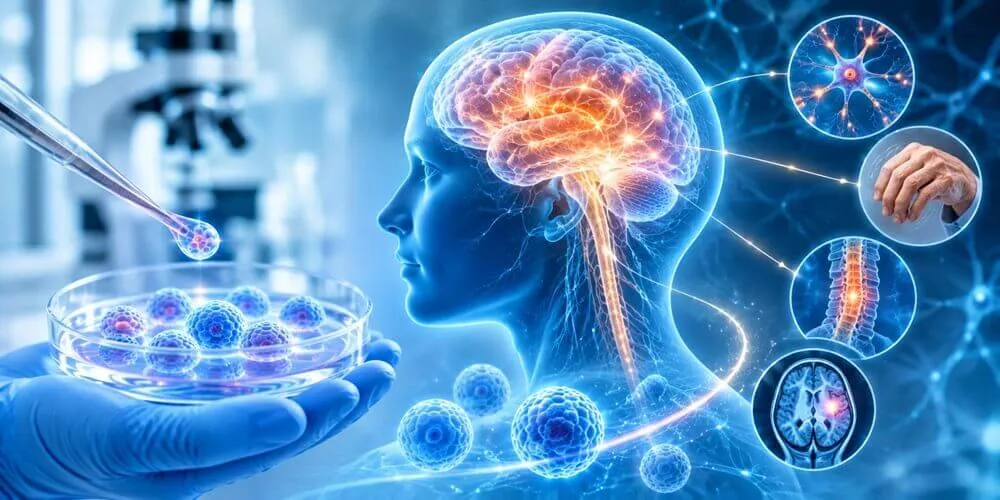
Stem cell therapy for neurological disorders remains an active area of research. New findings highlight progress toward real, evidence-based therapies and suggest clear markers for 2027. During this time, all aspects of stem cell therapy for neurological disorders should advance—from iPS cell production and differentiation into relevant cells, through ethical use in disease modeling and early clinical trials, to safety and efficacy across major delivery modalities. For each area, advances will be critical to future regenerative medicine for neurological diseases.
What is the current landscape of Stem Cell Therapy for Neurological Disorders?
Formally, neurological stem cell research 2027 can be segmented into two parts: (1) development of stem cell therapy for conditions such as Alzheimer’s disease, Parkinson’s disease, multiple sclerosis, spinal cord injury, and stroke, with a focus on predictive translational steps and key bottlenecks; and (2) investigation of cellular-molecular mechanisms of regenerative processes in the injured or diseased nervous system. The latter area of research supports the former by providing the basic understanding needed to reduce risks of tumorigenicity, immunogenicity, and ectopic effects in stem cell therapy, and to optimize the protocol for differentiation, application timing, delivery route, and combination with adjuvant therapies. Overall, stem cell therapy for neurological disorders is an important subfield of regenerative medicine for neurological diseases—one in which innovative—but still non-curative—therapies are becoming available.
What are the main research areas shaping the future of regenerative medicine for neurological diseases 2027?
Major research areas shaping the future of neuroregenerative medicine 2027 include improving induced pluripotent stem cell (iPSC) therapy for neurological disorders; addressing safety and ethical concerns; optimizing delivery methods; and focusing on functional gains in stem cell therapy for Parkinson’s disease, spinal cord injury, and stroke recovery. Progress in these domains offers the best chance to develop effective, broadly applicable stem cell therapies for debilitating neurological diseases.
Investigation of iPSC therapy for neurological disorders is advancing towards safe and effective treatment for a broad range of conditions. Several iPSC banks, tissue types, and differentiation protocols have been established. New techniques for rapid, non-integrative, and patient-specific reprogramming of somatic cells enhance the therapeutic potential of iPSCs. Furthermore, efficient differentiation into functional cells is being combined with attention to physiological cues that create a permissive environment for cellular integration. Together, these advances propel iPSC-mediated amelioration of neurological conditions toward clinical reality.
How does stem cell therapy for Parkinson’s disease progress toward real therapies?
Much progress is occurring toward real therapies for Parkinson’s disease using stem cell therapy: self-renewing stem or progenitor cells obtained from extensive cell sources and advanced differentiation protocols, optimized assessments of functional and anatomical benefits after transplantation, and increasing demonstration of immunogenicity and long-term survival.
Several laboratories have developed \emph{in vitro} differentiation protocols starting from either embryonic or fetal human cells or from human iPSCs, aiming to generate midbrain floor plate cells and/or dopaminergic neurons expressing TH (tyrosine hydroxylase) and markers of maturation. For the first time, an extended functional assessment over time showed that putative dopaminergic neurons obtained through the differentiation of human neuroectodermal progenitors integrated into the rat basal ganglia network, restored the impaired behavior induced by 6-OHDA, and released dopamine in response to amphetamine. Moreover, an efficient electrical coupling with the host neurons was revealed using a stereotaxic approach to monitor the neurochemical status and the behavior of the dopamine-depleted animals. Then, the differential recruitment and supportive role of the host glia population were functionally investigated in these experimental paradigms. Furthermore, a maturation-related gain in the electrophysiological properties of the putative dopaminergic neurons was observed, suggesting that the cells could be auxiliary elements in the network rather than a direct substitution of the degenerated dopaminergic system.
In summary, the current evidence supports the possibility of restoring motor functions, at least in an experimental model of nonclinical Parkinson’s disease with typical motor deficits, confirming the main tenet of the concept of cell replacement.
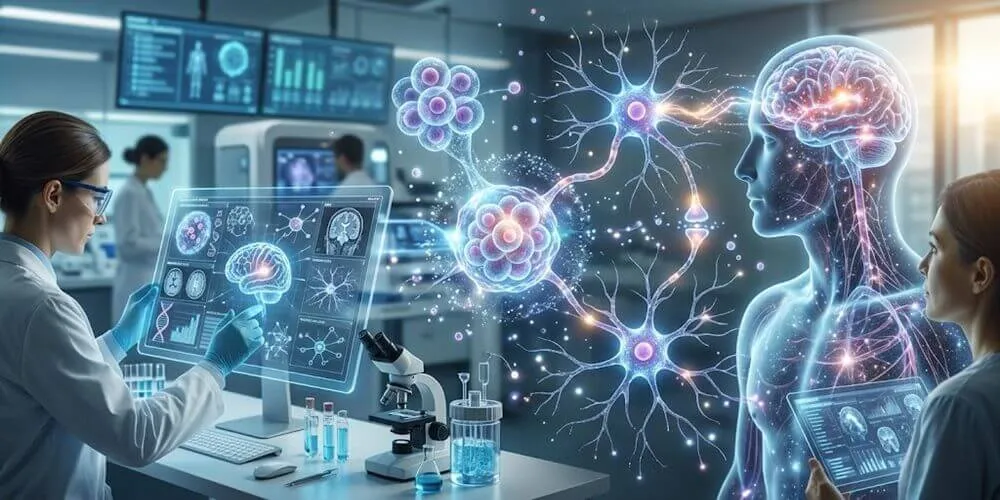
How is stem cell therapy for spinal cord injury developing for better recovery?
Critical areas enable enhanced functional recovery following stem cell therapy for spinal cord injury, supported by clinical data: optimal cell selection for the injury site, scaffold utilization, integration into combination therapies, and evidence for improved neurobehavior. Progressing towards clinical implementation, recent studies indicate that stem cells might support Streptozotocin-induced diabetic wound healing in rats and can reduce cognitive disability in chronic post-stroke patients.
Advances for stem cell therapy for spinal cord injury continue toward more-effective, patient-friendly strategies. Particularly noteworthy are studies outlining cell types that support improved functional recovery, detailing scaffolds that enhance post-transplant performance, demonstrating synergistic effects when stem cells are combined with biomaterials or growth factors, and offering data addressing neurobehavioral recovery after transplantation.
What is the status of stem cell therapy for stroke recovery in clinical settings?
Despite associated risks and benefits still under investigation, stem cell therapy has made its way into clinical practice for stroke recovery. Most patients begin the procedure 3 months after the incident, when neurogenesis normally starts fading. Some groups and companies have developed activity-based rehabilitation paradigms that assist paralyzed patients and measure their performance, to be combined with cell therapy. The combination reduces the risk of false positives in patient evaluations, enhancing confidence in the outcomes and the therapy’s true efficacy.
The standardization of activity-based rehabilitation methods for activity-prone patients at the time of intervention has promoted collaborations between rehabilitation centers and cell therapy hospitals. Although the first results are promising, more data on blinded, randomized cohorts are needed before evaluating the effectiveness of this combination approach. By 2027, results from more advanced cohorts may confirm whether combining standard rehabilitation with support from cell therapy provides an actual improvement when compared to rehabilitating alone.
What is the future outlook for the field in 2027 and beyond?
Future contributions of Stem Cells Therapy are shaped by the time frames of their action and the neurological disorders being treated. These distinct aspects are intertwined with risk-benefit considerations, as they determine regulatory and funding choices, and are fully articulated for the future of iPSC therapy for neurological disorders. Neurology is likely to be decisive for the near future of regenerative medicine, as evidenced by diverse ongoing clinical trials and the first approved cell therapies targeting neurological conditions. Given the regenerative potential of iPSCs and human patient models, it is unsurprising that ethical debates are active; their appropriate framing should ensure both safety and societal acceptance during their deployment in clinical settings. Who provides the appropriate information-maintaining the patient’s perspective whilst encouraging a transparent bidirectional discussion-should be crucial for the assessment of the risk/benefit ratio.
Delivering cells in a manner that maximizes therapy benefits, minimizes side effects, and increases propagation capability represents a major goal in regenerative medicine for CNS. In this context, diverse routes of administration are being explored, and the cell type and fate, the positioning of the graft regarding the pathological environment, and the application of supporting scaffolds have all been tested, reshaping the degree of success that cell therapy can achieve in different models. Ultimately, successful strategies should enable the therapeutic activity of cells to be boosted by other treatments, enhancing functional outcomes without the need for escalating risk.
Conclusion
Interest in regenerative medicine for neurological diseases is intense. Programs underway address nearly every neurodegenerative disease and spinal cord injury; others focus on rehabilitation after stroke. Fifty-five major clinical trials are in progress. They include cospectral and multifunctional regimens, consider time windows and dosing, employ several types of cells, use three delivery routes (intrathecal, intravenous, and targeted grafting), and test pharmacological and rehabilitation combinations.
Advances and discovery gaps are reported in a broad spectrum of stem cell therapy for neurological disorders 2027. Insights clarify current knowledge and gaps for three trial categories: assessing stem cells’ safety and potential efficacy in people, using stem cells to identify disease-affected mechanisms and test new therapies, and effecting molecular repair in identified genetic diseases. Integration with existing clinical programs and appropriate regulators will promote timely access to novel therapies.