
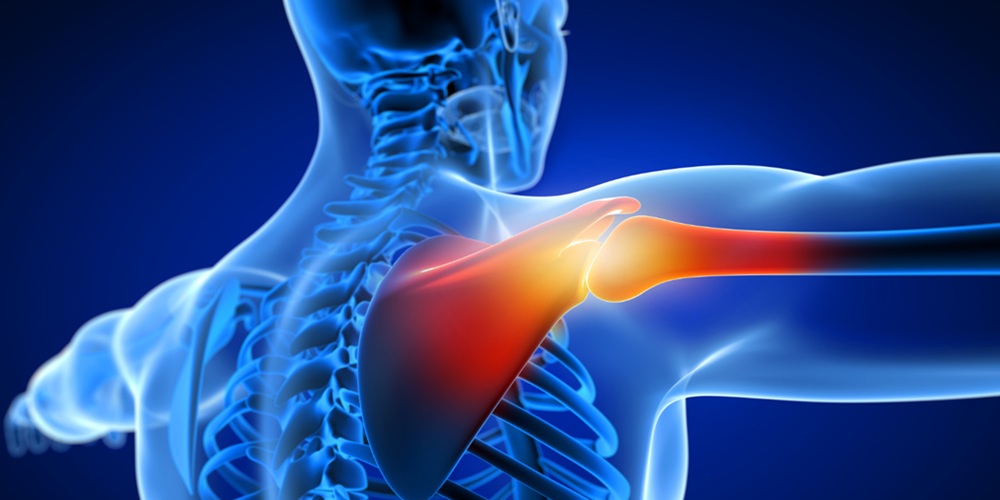
Frozen shoulder, also known as adhesive capsulitis, is a painful condition that causes stiffness, inflammation, and restricted movement in the shoulder joint. The condition develops gradually and can significantly limit daily activities such as lifting the arm, dressing, or reaching overhead. While traditional treatments focus on pain management and rehabilitation, many patients seek advanced therapies that support healing at a cellular level. Stem cell therapy for frozen shoulder in Türkiye offers a regenerative medicine approach designed to reduce inflammation, promote tissue repair, and improve joint mobility.
Frozen shoulder is a disorder that affects the connective tissue surrounding the shoulder joint. The joint capsule becomes inflamed and thickened, restricting movement and causing stiffness. Over time, the shoulder may lose flexibility and range of motion, making even simple movements difficult.
The condition typically develops slowly and progresses through stages of increasing stiffness followed by gradual recovery. However, without proper treatment, symptoms may persist for months or years.
Common characteristics include:
Frozen shoulder can affect one or both shoulders and may interfere with sleep, work, and routine activities.
Frozen shoulder occurs when inflammation and scar tissue form within the shoulder capsule. This reduces joint space and restricts movement.
Several factors may increase the risk of developing frozen shoulder:
When the shoulder remains immobile for extended periods, connective tissue tightens and becomes less flexible, contributing to stiffness and pain.
Symptoms usually develop gradually and worsen over time. The most common signs include:
Pain and stiffness may significantly impact mobility and quality of life if not properly managed.
Frozen shoulder typically progresses through three stages:
Pain gradually increases, and shoulder movement becomes more limited. This stage may last several months.
Pain may decrease, but stiffness remains significant. Shoulder movement becomes severely restricted.
Shoulder mobility gradually improves, and range of motion slowly returns.
The full recovery process may take a long time, depending on severity and treatment approach.
Frozen shoulder can interfere with many everyday functions, including:
Reduced movement may also lead to muscle weakness and decreased overall physical function if not addressed.

Stem cell therapy for frozen shoulder is a regenerative medical treatment designed to support the body’s natural healing processes. Rather than simply masking symptoms, the therapy focuses on improving the biological environment of the joint.
Mesenchymal stem cells used in regenerative treatment are known for their ability to:
These biological effects may help improve flexibility and reduce stiffness in the affected shoulder.
Inflammation plays a central role in the development of frozen shoulder. Persistent inflammatory activity can lead to:
By targeting inflammatory pathways, regenerative therapy aims to create conditions that support recovery and improved joint mobility.
Patients may consider stem cell therapy for frozen shoulder in Türkiye if they:
A detailed medical evaluation helps determine whether regenerative therapy is appropriate for each patient.
Treatment is structured and personalized based on individual needs.
A detailed assessment of shoulder function, medical history, and imaging results is performed.
Regenerative cells are processed in controlled laboratory conditions to ensure safety and quality.
Stem cells are delivered using physician-guided methods designed to support tissue healing.
Regular monitoring helps evaluate improvements in mobility, pain levels, and function.
This personalized approach ensures safe and effective treatment planning.
Although results vary, potential benefits may include:
Gradual improvements typically occur over time as tissue healing progresses.
Stem cell therapy for frozen shoulder is intended to complement standard treatment methods such as:
Combining regenerative therapy with rehabilitation may provide more comprehensive support for recovery.
Safety is a priority at Zaren Stem Cell. Regenerative procedures are performed in controlled clinical environments using established protocols and experienced medical professionals. Patients receive detailed information about potential risks, expected outcomes, and follow-up care.
Türkiye has become a recognized destination for regenerative medical treatments due to:
Zaren Stem Cell provides individualized care designed to improve mobility, reduce pain, and support long-term joint health.
Recovery timelines vary depending on the severity of the condition and adherence to rehabilitation. Many patients experience gradual improvements in shoulder mobility, reduced pain, and better functional movement over time. Continuous follow-up helps monitor progress and support long-term outcomes.

