
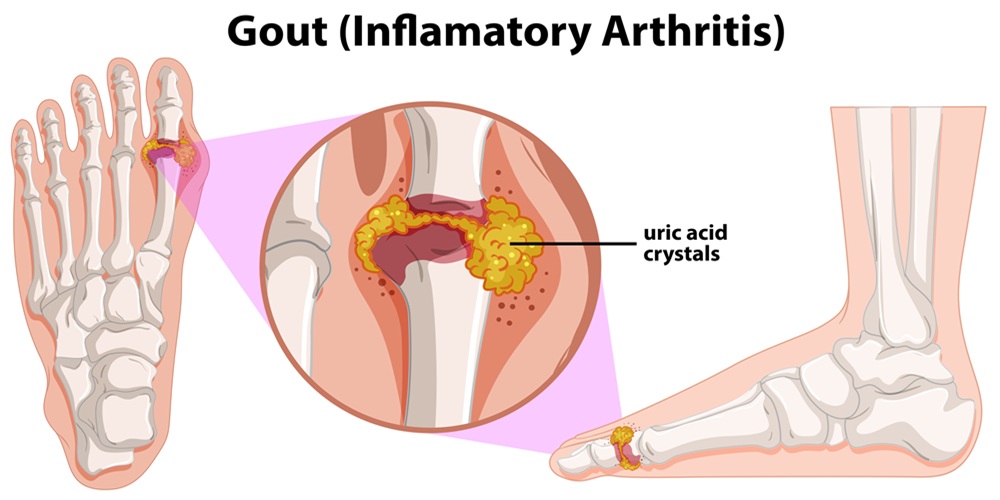
Osteoarthritis is a progressive joint disorder characterized by the gradual breakdown of cartilage and structural changes within the joint. As the protective cartilage that cushions bones deteriorates, joint movement becomes less smooth, leading to pain, stiffness, inflammation, and reduced mobility. Over time, osteoarthritis may significantly affect physical function, daily activities, and overall quality of life.
Osteoarthritis commonly develops due to long-term mechanical wear, aging, or joint injury. While traditional treatments typically focus on managing symptoms, modern regenerative approaches, such as stem cell therapy for osteoarthritis in Türkiye, aim to support joint tissue repair, reduce inflammation, and improve functional mobility by enhancing biological healing processes.
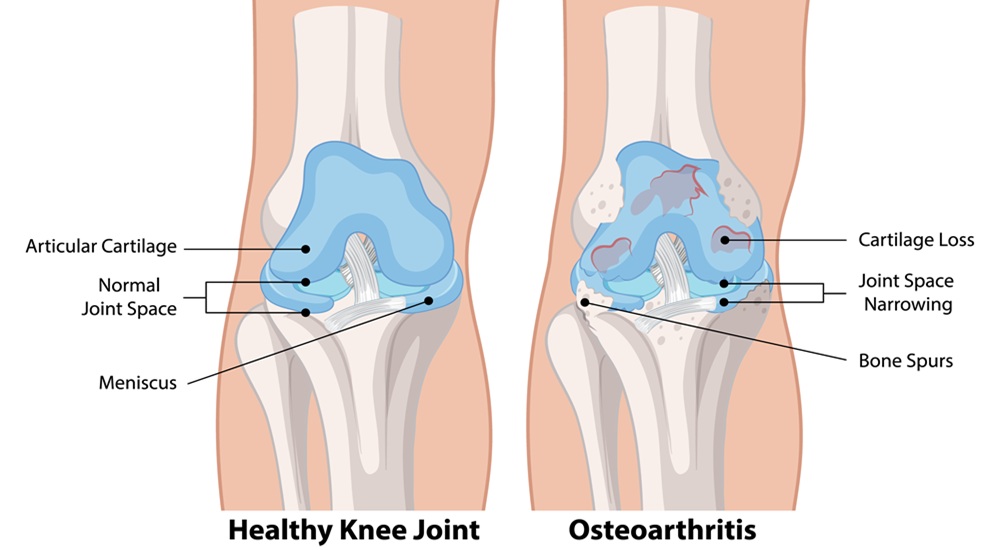
Osteoarthritis is a degenerative joint condition that occurs when the cartilage within a joint gradually wears down. Cartilage serves as a protective cushion that absorbs shock and allows bones to move smoothly. When cartilage deteriorates, joint surfaces experience increased friction, which may lead to inflammation, structural damage, and functional impairment.
Osteoarthritis most frequently affects:
The severity and progression of osteoarthritis vary depending on joint involvement, activity level, and individual health factors.
The development of osteoarthritis involves a series of structural changes within the joint. As cartilage gradually loses its strength and elasticity, its ability to absorb mechanical stress decreases. This process may lead to:
These changes impair normal joint movement and may progressively limit mobility.
Osteoarthritis results from a combination of biological and mechanical factors.
Natural aging reduces the body’s ability to repair cartilage and maintain joint health.
Repetitive movements and excessive joint loading accelerate cartilage wear.
Trauma or structural damage increases the risk of long-term degeneration.
Inherited traits may influence cartilage resilience and joint structure.
Excess body weight places additional stress on weight-bearing joints.
Inflammatory processes may contribute to progressive joint damage.
Understanding these causes helps guide prevention and treatment planning.
Symptoms of osteoarthritis typically develop gradually and may worsen over time.
Common symptoms include:
Symptom severity varies depending on disease progression and joint involvement.
Osteoarthritis may significantly impact physical function and independence. Joint pain and stiffness can interfere with everyday activities such as:
Reduced mobility may also lead to muscle weakness and decreased overall physical health.
Osteoarthritis most often affects joints exposed to continuous mechanical stress.
Limits walking, standing, and weight-bearing function.
Affects balance, mobility, and lower body movement.
Reduces grip strength and fine motor control.
Causes stiffness and reduced flexibility.
Damage to these joints may significantly reduce quality of life.
Diagnosis typically involves a comprehensive evaluation that may include:
Accurate diagnosis helps determine disease severity and treatment options.
Stem cell therapy for osteoarthritis is a regenerative treatment designed to support biological repair processes within damaged joint tissues. Rather than focusing solely on symptom control, regenerative therapy aims to improve the joint environment and support tissue healing.
Stem cells used in treatment may help:
These biological effects may help reduce pain and support long-term joint health under medical supervision.
Cartilage has a limited ability to heal because it lacks sufficient blood supply. Once damaged, the joint may continue to deteriorate without intervention.
Regenerative treatment focuses on:
This approach aims to address the underlying cause of joint dysfunction.
Although outcomes vary, potential benefits of regenerative therapy may include:
Improvements typically develop gradually as tissue repair progresses.
Traditional osteoarthritis management focuses on symptom relief and functional support.
Common conventional treatments include:
Regenerative therapy may complement these treatments by supporting biological repair mechanisms.
Patients may consider regenerative treatment if they:
A comprehensive clinical evaluation determines treatment suitability.
Joint condition and overall health are evaluated.
A tailored supportive treatment plan is developed based on patient needs.
Regenerative cells are prepared and delivered using physician-guided protocols.
Ongoing monitoring supports long-term joint health and functional improvement.
Türkiye has become a global destination for regenerative medical care due to advanced clinical infrastructure, experienced specialists, and comprehensive patient support services. Zaren Stem Cell provides personalized treatment planning, integrated rehabilitation support, and continuous follow-up care to support long-term mobility and quality of life.
Recovery varies depending on disease severity, treatment response, and individual health factors. Many patients experience gradual improvements in mobility, reduced pain, and improved joint function with ongoing monitoring and supportive care.

