 English
 Français
 Deutsch
 Русский
 Italiano
 Español
 Português


Many people believe that stem cell therapy can help with a wide range of conditions. Some hope the treatment will cure their diseases. However, stem cell therapies have been proven safe and effective only for a few conditions. For approved indications, therapy is available in the US and through approved clinical trials. Individuals who present with indications that are not yet proven to be benefited by stem cell therapy or want to seek therapy outside the US can consider seeking therapy in other countries. This is sometimes referred to as "stem cell tourism."
People usually travel for treatments that are not yet available in the United States. They may want to try stem cell therapy because other treatments have not worked or because no other treatments are available for their conditions. Patients come in with hopes of solving their problem with some unapproved stem cell treatment. Others come in after hearing of a “disease cocktail” that will cure their ailments. Some are referred by a friend or relative who went to a foreign country and had it work for them. They come in with hopes of miracles, but also need to understand that for their ailments, safe and effective treatments may not be available at all.
The importance of stem cell therapy
Stem cell therapy refers to a broad range of methods used in the treatment, prevention, or cure of diseases or injuries in animals or humans, employing stem cells. Scientists are working on stem cells derived from embryos, the umbilical cord or placenta of a newborn baby, or, better still, the individual’s own body to treat various diseases. Stem cells are capable of differentiating into various cells of the body.
Stem cells can be used like a repair system for the body. When a stem cell divides, it can produce the same type of cell as well as a more specialized cell that serves a specific function in the body. For example, there are progenitor cells in the blood that can produce red blood cells, white blood cells, and platelets, the components of the blood. By injecting stem cells into a damaged area, the hope is that they will develop into the appropriate cell types to assist in healing.
Why do people travel for treatment?
Travel for stem cell therapy happens for a number of reasons. Patients may want treatments not yet offered in their home countries. They may have health insurance that will not cover the procedure or travel.
Many people are eager for cures promised to them. Some countries have few barriers for stem cell clinics overseas looking to offer such treatment. The clinics may accept a patient group with little data on the safety or efficacy of the treatment in the group. Most countries, including Canada and the United States, do have their regulatory agencies watching stem cell clinics for faulty practices. Some unknowns exist still. Many clinics will make a point to show they have operating licenses, but may not show the makeup of an approvals board. They may refuse to provide outcome effectiveness data, including any clinical trial information, or they may not have a record of clinical trials for the procedure.TOP 5 red flags. One red flag comes if a clinic tells its patients that it offers cures for illnesses that are not normally treated with both stem cells and regenerative medicine. Another sign is that if the treatment looks like it offers more risk than chance of benefit. If a clinic insists that patients do not use any other treatments for their particular illness during the clinic's procedure. If a stem cell clinic overseas tells a patient that their chances of success are guaranteed. A clinic has a low chance of success if it says that it has never seen anyone have side effects.
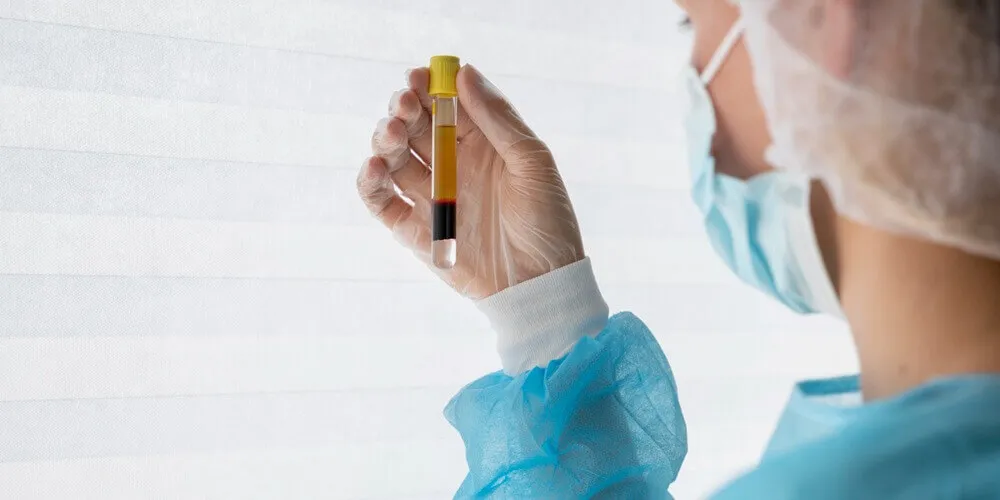
What are the risks of stem cell tourism and safety concerns?
Most surely, you are aware that stem cells are distinct cells capable of evolving into various types of specialized cells. Researchers have made great progress in using these cells to create healthy functioning cells for the treatment of diseases such as multiple sclerosis, spinal cord injuries, and even some forms of blindness. With such advanced discoveries, clinics and hospitals around the globe now offer stem cell treatment for various diseases. The thrill produced by these once hard-to-get treatments has spurred many to see themselves as candidates for stem cell therapy since this kind of treatment might bring back useful functions and better their quality of life. Most of this enthusiasm is based on hope rather than strong scientific proof. The open market for stem cell therapy is an unregulated stem cell clinics industry with poor quality control that often provides poorly defined and untested procedures and treatments against which scientific and medical communities have expressed their disapproval. Such conditions foster the proliferation of misleading and false claims that misguide patients and their families and that expose them to potentially serious risks of stem cell tourism.
Stem cell therapy is not yet a solution for every patient and for every illness, nor is it free from complications. In fact, serious or even fatal complications have been experienced by some patients undergoing ill-defined procedures in clinics with inadequate safety and quality control. The response of patients and their families to the prospect of undergoing such therapy should be no less than cautious, and at least the following efforts should be undertaken before embarking on the journey: a careful analysis of the proposed procedure, the stem cell clinics overseas offering it, the attending physician, and the associated costs. In this regard, the report issued by the International Society for Cellular Therapy (ISCT) offers a handy preliminary checklist for a safe stem cell procedure.
Unregulated stem cell clinics overseas
Stem cell treatments are mostly performed in unregulated stem cell clinics. Medical tourism stem cell therapy practices in many countries do not have rules that protect patients. Clinics that offer stem cell procedures are not supervised by government agencies. Patients may not be cared for by licensed doctors, nurses, and therapists. These clinics often hide risks of stem cell tourism or present them inaccurately. Serious side effects may not be reported because they are not carefully tracked. Some people are given treatment that is not even appropriate for their condition, or even any treatment at all. For example, in 2014, a woman died from treatment for a stroke in a clinic in China that specialized in spinal cord injuries. A lawsuit revealed that she had been injected with an unapproved product made from umbilical cords and that no doctors had supervised the procedure. Evidence points to the lack of a legitimate mechanism for assessing these patients’ needs, let alone any medical basis or justification for carrying out the procedure.
Safety standards vary from country to country and from clinic to clinic. Events such as these raise alarm bells for any medical tourism stem cell therapy practice, but stem cell treatments are more dangerous than others. Despite the escalating number of clinics, little official information has been published on the potential side effects. While some reports warn of the dangers, others refer to the poor complexity and quantity of published works. Since the establishment of the International Society for Stem Cell Research, an effort has been made to request the closing of clinics known for not following protocols, but the request has been left unanswered, and clinics continue to multiply. Considerable identification of elements within the stem cell clinics overseas could provide preliminary points for quick evaluation.
Varying stem cell therapy safety standards
Stem cell therapy safety standards in the treatment and care of patients can differ significantly, from country to country and even from facility to facility within the same region. In the absence of reliable safety and efficacy information, and especially when the information is not reliable and is biased, it is essential to obtain unbiased information from reliable sources and experts. Patients should avoid locations without independent clinical information and assessment. Since clinical trials assess the safety and efficacy of interventions, patients may be comfortable with interventions under investigation in clinical trials, even if not readily available. Some experimental procedures, however, may be far less safe than the problems for which they are offered. Patients may also be at greater risk for severe effects from a placebo if they are not in a clinical trial and are receiving treatment with little or no evidence that it works. Patients should know that they may be at increased risk for various complications depending on the clinic and type of treatment. For instance, patients who have received intra-articular injections of mesenchymal stem cells have had serious infections post-procedure; these safety and efficacy claims have not been established in clinical trials. Clinics performing X- or CT-guided injection of cells should be viewed with heightened scrutiny, especially when injecting into the spine, due to devastating neurologic complications that can follow poor technique. Vascular occlusions after intraocular or intravenous administration of stem cell preparations have also occurred. Finally, patients are urged to seek treatments for which the risk of receiving the wrong intervention is low—the injection of biological material, such as umbilical cord cells, should be regarded as a major red flag.
What are the possible side effects and wrong treatments?
The most commonly reported side effects of unlicensed stem cell procedures are worsening of the condition being treated, blindness, infections, and undesired immune reactions. Other potential effects are tumor formation and damage to organs such as the lungs and liver. A small number of individuals have experienced graft-versus-host disease (in which normal, healthy cells attack the body) after receiving infused human placental cells or amniotic fluid cells, which contain immune cells.
The medical community may consider certain red flags when evaluating a stem cell treatment, such as the following: any procedure that involves injecting cells into a site other than the bloodstream; cells derived from tissues other than bone marrow or cord blood; claims that the treatment is “revolutionary”; and treatments that require no or minimal post-treatment follow-up. Other red flags include claims that the therapy will cure an unreasonably broad range of conditions, offers painless or non-invasive injections, or charges a non-refundable upfront fee or provides hotel accommodations.
How to choose where to seek care
Are the clinic and cell treatment more credible, less risky, and thus more likely to be effective than most offerings? Patients should consider and discuss the following questions:
Is the clinic in a place where there is great engineering and medical skills? These places have better health systems, higher safety standards, and so they are less likely to be linked with fake or careless medical tourism stem cell therapy and research. Is the clinic part of a good hospital or health system? A good group has tools, rules, clinical checks, and history that raise the chance of safe and good practices. Are the important government bodies that manage or give approval to hospitals and clinics able in that region? Think: Are they technically sound? Ethical? Well-funded? Not overly corrupt? Not cowed by wealthy individuals? Fellows from those government overseers in the same region, having started together receiving foreign assistance to jump-start good governance, so that then they can understand how to sustain it and then be promoted out of the best positions?
Are there tracking tools for the clinic's outcomes? Tracking tools usually exist for clinics and hospitals with better infrastructures, such as robust systems for comparisons across cases and follow-up assessments of patients.
How to evaluate clinics
Transparency. Is information about the procedure available online? Are procedures described in lay terms? Does the information explain potential side effects? Are patients clearly warned when some complications could lead to death? Trustworthy clinics provide specific information about possible side effects for specific procedures. Furthermore, they recognize the risk of death or serious complications due to technical failure, rejection, or other problems, and describe entirely inappropriate procedures or combinations.
Testing and Treatment. What tests are required before travel? What therapy will be performed? What stem cell source will be used? What is the expected outcome? Is it common for patients to respond to treatment? What case histories are available? A responsible clinic requires medical tests before the procedure to avoid medically harmful treatments. Also, it clearly explains what will happen and under what circumstances the expected outcome might not occur.
Success. What clinical experience supports this treatment? How many patients have received the treatment? How many were followed up after six months? After one year? What was the longest successful follow-up? What was the overall success rate? Successful clinics can substantiate claims with comparable and contemporary case-control data — preferably with number needed to treat estimates, confidence intervals, and the risk of false-positive results.
Costs. What is the total cost of therapy? Will travel expenses be covered? Are other costs included? Is the quote provided in writing? Get a quote that is all-inclusive and needs no future payments; if a quote leaves out essential elements, it is likely unrealistic. Continuity of care is often necessary for the appropriate treatment of a medical condition.
Questions to ask providers
When assessing a stem cell therapy provider, it is important to ask questions that will help you understand the treatment being offered, its risks and benefits, and the associated costs. Evaluate the responses to these questions for potential red flags regarding stem cell therapy safety, transparency, and outcomes. A complete list may include the following:
- What cells will be used for the treatment?
- What specifically is being treated?
- What is the reason for this treatment?
- What else will be done to help?
- What tests are needed before the treatment?
- What is the expected goal of the treatment?
- How many of these have been done before?
- Are there any results in publications?
- What are the overall prices involved?
- What are the anticipated costs you will pay yourself?
Costs and logistics
Those considering a stem cell treatment abroad should carefully evaluate its costs before traveling for stem cell treatment. Some clinics inflate the fees of some procedures but not others, allowing an apparently affordable package to hide hidden expenses. Patients who go to a clinic with an upfront price offer should have a signed contract covering all aspects of the care, from the procedure itself to any expected follow-up appointments. If the provider offers a package price that covers everything, any additional recommended procedures should either be included in the package or subject to very careful justification and discussion before proceeding.
- The cost in relation to any possible local treatment
- Any implications in relation to further local treatment in the event that travel for this procedure is not affordable
- Any after-care which may be required in the home country
- The fact that any stem cell treatment is experimental means that there is no guarantee that there will be a benefit from the treatment, but that complications and side effects may occur, and that the patient will have to be under follow-up observation in the event of such an occurrence.
- The time required to fully recover from any effects of the procedure, and therefore when they can safely return to work and normal activities without risk of long-term side effects from the procedure.
- The potential for further treatment or clinical assessment required following the treatment.
Where patients are expecting to be treated with an experimental therapy that has already reported positive results, it is more important that they plan for suitable follow-up care, ideally discussing this with their local physician before embarking on any travel plans.
Hidden costs and scams
Costs can be tricky. Some offering stem cell therapy keep their prices low to attract customers. They sell an all-inclusive package — travel, procedure, accommodations — or promise treatments for a fraction of the cost in the United States. Then they add hidden fees. An updated version of the same shady scheme replaces the patient with a particular clinical trial: participants are recruited to skim funds that disappear into somebody else's pocket before the trial ever begins. Beware of services that require you to pay in advance and offer only a partial, vague list of what the money covers.
At some clinics, stem cell therapy safety information remains scarce. The provider may be a no-name doctor in a no-name clinic without oversight. The enterprise may have conducted only a handful of procedures. It may lack certification by a recognized institution. Authorities in the treatment destination may not oversee its operations. It may even be under review by the World Health Organization or the FDA.
Travel and follow-up care
Don't focus on the headline price. Stem cell tourism can have unclear costs because clinics and countries do not have clear pricing rules. Hospitals can hide follow-up and testing expenses in the small print or charge extra for "non-standard items." Ask if prices cover everything—travel, physical therapy, clinic tests, checkups during and after treatment. Before traveling for stem cell treatment, get a written contract detailing all costs.
Be careful with payment terms. Some clinics require payment in full before the patient arrives. Avoid paying large sums of money up front, as it may be difficult to recover them if the treatment doesn't work or if the clinic has misrepresented the therapy. Find out about refund policies.
Travel can complicate follow-up care. Stem cell treatments often need follow-up visits, and complications sometimes require emergency help. Check your plan carefully. Some countries or clinics may help you get back for free checkups, but others might charge even if health problems arise because of the operation. After care can be a big problem if a clinic advises no further direct treatment.
Never forget, whichever plan you follow, continue checking medicine safety guidelines in case any more new warning issues arise.
What are the alternatives to travel for stem cell therapy?
Some people consider traveling for stem cell treatment because of a quest for hope or because travel could lead to surgery before these people start to decline and are beyond help. There may also be a fear of death from heart problems, so these people do not want to wait for trials. Travel should really be a last resort when there is *no* option to get stem cells *in* the U.S. The best place to try stem cell therapy is a clinical trial. Alternatively, the local specialist could be asked whether he or she has heard of any safe and potentially effective trials. If there has been no improvement in the condition, it is possible that the same person may not qualify for the trial because of the worsening condition. In such a case, travel may be considered, but if there is some improvement, the local physician may recommend a trial. It is always best to get a second opinion from a physician not directly involved with the person’s problems, because sometimes something will jump out at them that has been overlooked. Nobody knows everything about medicine; it is too complex for that. These are not yet standard procedures. Perhaps both the local physician and the travel physician have thought of these cautions before and decided that in this particular instance, the possible benefits still outweigh the possible disadvantages, but it is still wise to consider another physician’s advice.
Clinical trials and approved options
People seeking stem cell therapy often look for solutions far from home. However, when thinking about a trip abroad, weigh all the options carefully. Sometimes, it might be safer to join a clinical trial. Completed trials testing the treatment on that condition or disease are now offering it as a standard therapy. These approved therapies, with proven stem cell therapy safety and effectiveness, are the best alternatives to travel.
To locate FDA trials currently seeking participants, visit [Link] and type “stem cells” in the search box. Access information about treatment needs, contact details, and eligibility criteria. For trials worldwide, use the same website; select “Recruting” for the best list. Consult with your doctor about any trial — especially one with a reputable company.
Getting a second opinion locally
Many chronic diseases remain difficult to treat, and some people see no improvement with standard treatments. Many unmet medical needs are served by stem cell-based interventions offered by clinics around the world. When put in or sent into the body through treatment, stem cells sometimes seem to help hurt tissues heal or make more tissue, or the stem cells themselves keep splitting and slowly replace damaged tissue. If they are safe enough, it could be worth trying these treatments as long as the risks from travel and costs of treatment can be handled.
Travel for stem cell therapy should only be considered after serious thought and careful evaluation of the proposed procedure. Although stem cell basics may sound simple, their Truth and Safety evaluations are complicated. The main focus should be to speak with a reliable and experienced health-care provider trained specifically in treating the disease of concern. They may offer relevant clinical trials available at major centres and may be aware of other clinical trials outside their institution. It could also be of value to seek non-travel-related specialised advice, preferably from major centres engaged in the treatment of the disease of concern. This could involve revisiting the centre that offered the initial treatments or seeking fresh insights at another stem cell centre in the local area.
Aftercare and Monitoring
Follow-up with your primary care physician in the office may be necessary to assess the impact of the treatment, to assess and manage potential complications, as well as to attend to any rehabilitation needs that may arise. Follow-up with the injecting specialist/clinic may be more appropriate than with your primary care physician, depending on the nature of the condition being treated and the method of injection. If new symptoms develop, it is preferable to see a doctor who is aware of the fact that you have undergone stem cell treatment, ideally the doctor or clinic that performed the procedure. This is in order to assess any potential side effects, as well as to attend to any rehabilitation needs that may have arisen. It is also important to discuss with the doctor the risk of developing new conditions or exacerbating current conditions, whether or not these are thought to be related to the treatment.

What are the ethical and legal considerations?
Countries vary in how they regulate stem cell products and treatments. Most countries have defined laws for human embryonic stem cells, but not necessarily for other types of stem cell products. Nor do many countries address issues raised by stem cell treatments for existing diseases. Some have sought to fill that gap by setting up so-called stem cell research committees to advise on the ethics of such work, but they remain informal structures without the authority inherent in law.
Ethical approval for stem cell treatments and drugs should lie with an independent national committee. Regulatory agencies should also address whether research on patients with existing diseases would eventually benefit the same kind of patients. Licensing of any altruistic fetuses recruited for stem cell therapies would involve the ethical issue of consenting to a treatment that would not benefit the donor. The consent and opinion of parents should hold sway, provided the fetus is not `entertainment shopping-ordered' so that hESCs are of the `right' type. For patients with genetic diseases, the international stem cell therapy debate on incorporating somatic cell nuclear transfer as a new source of patient-specific hESCs at the cost of therapeutic cloning also needs consideration.
The media and movies like The Island also exert a pronounced influence on the ethical debate. The ethical pitfalls of cloning animals for the advancement of science, per se, do not warrant international stem cell therapy condemnation. However, the idea of creating an organ donor, or gestating a fetus just for its organs, has sparked considerable media excitement. The rare and crucial instant when characters shift from one aspect of a moral quandary to another is their awakening moment—when we grasp their true nature or potential for transformation.
Though the same trap would ensnare humans, the interplay between altruism and consent provides one avenue toward ethical acceptability. Yet, even in the best case, these perspectives appear questionable. Using hESCs to rescue a commander-in-chief is less laudable than using that same technology to rescue a sleeping child trapped under a yacht, and is even less laudable than rescuing a space-trooper.
Conclusion
Many people travel abroad seeking access to unproven stem cell treatments, often at great expense. One would hope that the disease would be better understood or more difficult to treat in the area to which he travels. However, one must keep expectations realistic since side effects, complications, or progression of the underlying disease are very much possible. For individual patients, more often than not, the question is not whether such treatments work but rather whether the treatment is not harmful or at least acceptable to them in their particular state of health. For some, traveling for stem cell treatment may be a necessity in order to access an approved treatment or partake in a clinical trial; however, for many others, other options may exist.
Traveling for care should always be done with extreme caution. Unregulated stem cell clinics offering unproven stem cell therapies for many different conditions do not have the facilities, skills, and treatments of recognized specialists. Clinic safety, staff credentials, treatment details, adverse event data as well as post-treatment outcomes are not always available. Little or no obvious follow-up care should also be a cause for concern. Patients who consider such treatments must be very careful about stem cell clinics overseas that say they are regulated but do not allow independent verification; offer tempting guarantees; suggest urgent treatment; promote questionable preparations; and recommend fast travel for chronic conditions.