 English
 Français
 Deutsch
 Русский
 Italiano
 Español
 Português

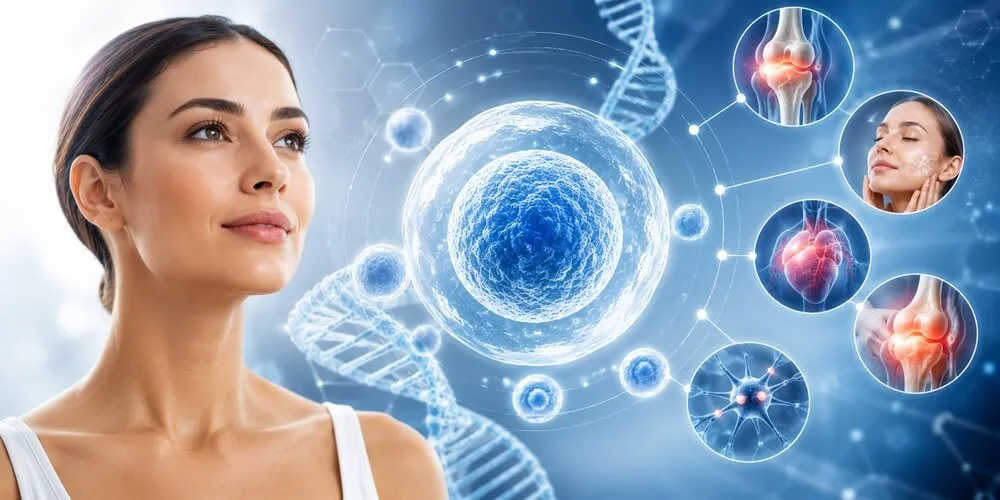
People want better ways to heal. They want treatments that work with the body. They want options that avoid big surgeries. This is exactly why stem cell therapy in modern medicine keeps growing. Doctors now use living cells to repair damage. Patients see real results. Clinics around the world offer these services. But what exactly drives this shift? Why do so many patients ask about regenerative options now? This article answers those questions. We will explore the science. We will look at patient stories. We will check the facts. You will learn why stem cell therapy is popular and what it means for your health.
What Is Stem Cell Therapy in Modern Medicine?
Stem cell therapy in modern medicine uses special cells to fix damaged tissue. These cells come from your own body. Doctors often take them from fat or bone marrow. Some clinics use cells from umbilical cord tissue. These cells act like building blocks. They turn into the cells your body needs. They help repair knees. They help repair shoulders. They even help skin look younger.
Doctors call this approach regenerative. It does not just mask pain. It tries to fix the real problem. A surgeon might cut out damaged tissue. A stem cell doctor tries to rebuild it. This difference matters. Patients feel it. They notice less pain. They notice better movement. They notice faster healing.
The popularity of stem cell therapy started with sports stars. Famous athletes used these treatments first. They needed fast recovery. They could not wait months for surgery. Their success stories spread. Regular people heard these stories. They asked their doctors about options. Now clinics in many countries offer these treatments.
But how do these cells work? Stem cells find damaged areas. They release signals. These signals tell other cells to start repairing. They reduce swelling. They increase blood flow. They bring new life to old tissue. Scientists study this every day. They learn more about how cells talk to each other. They learn how to make treatments better. Doctors also learn more about regenerative medicine stem cell therapy every year.
You might wonder if this is new. Scientists discovered stem cells decades ago. But early research faced limits. Now technology improved. Doctors use better tools. They use imaging to place cells exactly where they need to go. They use cleaner lab methods. This makes modern medicine stem cell treatment safer and more effective than ever before.
How Do Stem Cells Heal the Body?
Your body already heals itself. When you cut your finger, skin grows back. When you bruise your knee, tissue repairs. Stem cells drive this process. They sit in your body and wait for injury signals. When damage happens, they rush to the spot. They divide. They create new cells. They clean up dead tissue.
But sometimes your own cells cannot keep up. Age slows them down. Bad injuries overwhelm them. Chronic conditions drain their power. This is where doctors step in. They take healthy stem cells. They concentrate them. They inject them right into the damaged area. This gives your body extra help. It boosts what you already do naturally.
Think of it like adding more workers to a construction site. The building already has a crew. But the job is too big. Extra workers speed things up. They finish the project faster. Stem cells work the same way. They join your natural repair team. They get the job done.
What Types of Stem Cells Do Doctors Use?
Doctors use different cell sources. Each source has its own strengths. Mesenchymal stem cells come from fat or bone marrow. Doctors use these for joint pain and tissue repair. Hematopoietic stem cells come from blood. Doctors use these for blood diseases. Cord blood cells come from newborn tissue. These cells are young and active.
Many clinics prefer autologous cells. This means the cells come from your own body. This reduces risk. Your body knows these cells. It accepts them. Some clinics use allogeneic cells. These come from donors. Doctors screen these carefully. They check for disease. They match tissue types.
The choice depends on your condition. Your doctor will ask about your health. They will check your age. They will check your injury type. Then they pick the best source. This personalized approach helps results. It matches the treatment to the patient.
Why Is Stem Cell Therapy Popular Among Patients Today?
Patients today want control. They research online. They read reviews. They compare options. They find that stem cell therapy benefits go beyond pain relief. These treatments offer hope. They offer a path to real healing. This drives the popularity of stem cell therapy across the globe.
You may ask why stem cell therapy is popular now. The answer is simple. It works. People see their friends improve. They hear stories at the gym. They read posts on social media. A man with knee pain starts running again. A woman with back pain picks up her grandchild. These real wins matter more than ads. They show that modern medicine stem cell treatment changes lives.
Cost also plays a role. Surgery is expensive. Hospital stays add up. Physical therapy takes months. Stem cell procedures often cost less. They happen in outpatient clinics. You walk in and walk out the same day. You save money. You save time. You avoid the risks of anesthesia.
Patients also like the natural aspect. They do not want foreign implants. They do not want metal screws. They want their own cells to do the work. This feels right. It feels like the body fixing itself. And that is exactly what happens.
What Do Patients Say About Their Results?
We talk to patients every week. They tell us their stories. A 55-year-old man came to our clinic last year. He had shoulder pain for ten years. He tried pills. He tried injections. Nothing lasted. He chose stem cells. After three months, he slept through the night without pain. After six months, he played golf again. He smiled when he told us. He said he got his life back.
A 42-year-old woman had knee trouble. She loved hiking. She thought she would need replacement surgery. She tried regenerative medicine stem cell therapy first. Her knee improved within weeks. She walked five miles last month. She sent us photos from the trail. These stories repeat every day.
Not every case works perfectly. We tell patients the truth. Some people need more than one treatment. Some need physical therapy alongside cells. But most see improvement. Most feel better than they did before. That is why they recommend it to friends.
Why Are More People Choosing Natural Healing?
The world changed. People eat organic food. They take natural supplements. They avoid chemicals when they can. This mindset extends to medicine. They ask: "Can my body heal without drugs?" Often, the answer is yes. Stem cell applications in medicine support this natural approach.
Drugs hide symptoms. They do not fix the root cause. Pain pills reduce feelings. They do not repair cartilage. Stem cells go deeper. They rebuild what broke down. They restore function. This aligns with how people want to live. They want real solutions. They want lasting health.
Doctors see this shift too. More physicians study regenerative medicine. They attend conferences. They learn injection techniques. They add these services to their practices. The medical world is changing. Patients lead this change. They demand better options. And medicine responds.
How Does Modern Medicine Stem Cell Treatment Work?
You might wonder about the actual visit. What happens when you book a session? First, you meet the doctor. They examine your injury. They take images. They review your history. They explain if you are a good candidate. Honesty matters here. Good doctors turn away patients who will not benefit. They protect their reputation. They protect your health.
If you move forward, the team prepares. They take cells from your body. They use a small needle. They numb the area first. Most patients feel pressure, not pain. The team processes the cells in a lab. They spin them. They concentrate them. They remove impurities. This takes about two hours.
Then the doctor injects the cells. They use ultrasound or X-ray guidance. This ensures precise placement. The cells go exactly where damage lives. The whole visit takes half a day. You go home after. You rest for a day or two. Then you resume light activity. Your doctor gives you a plan. You follow it.
What Happens During a Stem Cell Procedure?
Let us break it down further. You arrive at the clinic in the morning. Staff greet you. They check your vitals. They answer last-minute questions. You sign forms. The doctor marks the injection site. They clean your skin. They apply numbing medicine.
The extraction happens next. If doctors take cells from fat, they use a small liposuction tool. If they take cells from bone marrow, they use a special needle on your hip. Both methods are quick. The team handles your cells with care. They follow strict rules. They keep everything sterile.
After processing, the doctor injects the cells. You might feel mild soreness. This is normal. It means your body reacts. It starts the repair process. You get aftercare instructions. You schedule a follow-up. The team stays in touch. They track your progress.
How Long Does Recovery Take?
Recovery varies. Everyone heals differently. Most patients notice changes in three to six weeks. Pain drops first. Then movement improves. Strength returns last. Full results often show at three to six months. Some patients continue improving for a full year.
You do not need bed rest. You should move gently. Walking helps. Light stretching helps. But avoid hard exercise early. Your doctor sets limits. They adjust based on your progress. Patience pays off. The cells need time to work. They build tissue slowly. But the results last.
Compare this to surgery. Surgery cuts tissue. It causes trauma. Recovery takes months. Physical therapy is hard. Stem cell recovery is easier. You keep your daily routine. You just add healing time.
What Are the Main Stem Cell Therapy Benefits?
The stem cell therapy benefits are many. We will cover the big ones here. First, pain relief. Stem cells calm inflammation. They soothe angry nerves. Patients report less pain within weeks. Some stop pain pills completely. This improves life quality.
Second, better function. Joints move smoother. Muscles work better. You walk further. You stand longer. You enjoy activities again. Third, safety. These treatments use your own biology. Risks stay low. Infection is rare. Rejection does not happen.
Fourth, versatility. Doctors use cells for knees. They use them for hips. They use them for backs. They use them for faces. They even use them for hair. Stem cell applications in medicine keep expanding. New studies come out monthly. Each study adds proof.
Fifth, cost savings. You avoid hospital bills. You avoid long rehab. You return to work faster. Over time, you spend less than you would on surgery and drugs. You deserve to know all stem cell therapy benefits before you choose.
Can Stem Cells Reduce Pain?
Yes. Pain comes from inflammation. It comes from damaged tissue pressing on nerves. Stem cells attack both sources. They release cytokines. These are natural chemicals. They tell inflammation to calm down. They create a healing environment.
Patients with arthritis feel this directly. Their joints swell less. They wake up stiff less often. They bend easier. They describe the feeling as "oil in a rusty hinge." Everything moves better. Pain fades into the background.
Doctors measure this. They use pain scales. They ask patients to rate discomfort before and after. Scores drop consistently. Some patients go from eight out of ten pain down to two. That is a huge change. It means they can live again.
Do Stem Cells Speed Up Recovery?
They do. Your body repairs at a set pace. Stem cells push that pace. They bring growth factors. These are proteins that signal repair. They attract other cells. They build new blood vessels. They lay down new collagen.
Athletes know this well. A torn muscle heals in six weeks with stem cells. Without them, it might take twelve. A sprained ligament recovers faster. Players return to the field sooner. Teams invest in these treatments. They see the payoff in wins.
Regular people get the same boost. You recover from work injuries faster. You heal from accidents quicker. You get back to your family. You get back to your hobbies. Time matters. Stem cells give you more of it.
Where Do Stem Cell Applications in Medicine Show Results?
You see stem cell applications in medicine in many areas. Orthopedics leads the way. Knees, shoulders, hips, and ankles improve. Sports medicine follows. Tendons and ligaments heal. Spine care grows. Disc pain and facet joint pain respond well.
Cosmetic fields use cells too. Facial rejuvenation works. Stem cells boost collagen. They smooth wrinkles. They improve skin tone. Hair clinics use them. They stimulate follicles. They thicken thinning hair.
Chronic disease management explores cells. Doctors study diabetes. They study heart disease. They study autoimmune conditions. Early results look promising. Advanced stem cell treatments may soon help these patients too.
How Do Stem Cells Help Joint Pain?
Joint pain ruins days. It stops you from walking. It stops you from climbing stairs. Stem cells offer relief. They go into the joint space. They coat the cartilage. They reduce bone-on-bone friction.
They also preserve cartilage. They slow breakdown. They may even rebuild some lost tissue. X-rays show improvement. MRIs show thicker cartilage. Patients feel less grinding. They feel more cushion.
Doctors combine cells with other tools. They use PRP. They use hyaluronic acid. They design full protocols. Each joint gets a custom plan. This precision improves outcomes. It matches treatment to damage.
Can Stem Cells Improve Skin and Hair?
Yes. Skin ages. It loses collagen. It loses elasticity. Stem cells wake up fibroblasts. These are the cells that make collagen. Skin gets firmer. It gets brighter. Fine lines soften.
For hair, stem cells help dormant follicles. They extend the growth phase. They thicken existing strands. They may even grow new ones. Patients see less shedding. They see more volume. They feel more confident.
These treatments are non-surgical. You do not need a facelift. You do not need hair plugs. You get injections. You get natural improvement. You look like yourself, just refreshed.
What Advanced Stem Cell Treatments Do Clinics Offer?
Clinics now offer advanced stem cell treatments beyond basic injections. They use expanded cell lines. They grow more cells in labs. They use higher doses. They combine cells with exosomes. These are tiny vesicles. They carry messages between cells. They boost the repair signal.
Some clinics use gene editing with stem cells. They enhance cell power. They make cells live longer. They make them work harder. This is cutting-edge. It is not everywhere yet. But it shows where the field goes.
Other clinics use scaffold materials. They place cells on mesh. They implant this into large defects. The scaffold holds cells in place. It guides tissue formation. This helps big injuries. It helps bone gaps. Advanced stem cell treatments keep getting better.
What Is PRP Therapy?
PRP stands for platelet-rich plasma. Doctors take your blood. They spin it. They separate the platelet layer. Platelets hold growth factors. They help clotting. They also signal repair.
Doctors inject PRP alone or with stem cells. It is cheaper than full stem cell therapy. It works for milder cases. It works for skin. It works for hair. It works for early joint wear.
The combo is powerful. Stem cells build. PRP feeds. Together they create a healing soup. Clinics call this "stem cell plus PRP." Patients ask for it by name. They read about it online. They want the full package.
How Do Clinics Use Exosomes?
Exosomes are the new buzzword. They are not cells. They are cell products. They carry RNA. They carry proteins. They tell other cells what to do. Think of them as text messages. They say "start healing" or "calm down."
Doctors isolate exosomes from stem cells. They inject them into skin. They inject them into joints. They avoid using whole cells. This may reduce regulation issues. It lowers cost. It simplifies storage.
Research is early. But results look good. Skin looks younger. Joints feel better. Hair grows thicker. Innovative regenerative treatments like this keep the field exciting. They give patients more choices.
How Does Regenerative Medicine Stem Cell Therapy Help Healing?
Healing is complex. Your body sends signals. It sends cells. It sends nutrients. Regenerative medicine stem cell therapy adds a master signal. It organizes the chaos. It directs traffic.
Imagine a car crash scene. First responders arrive. But someone needs to coordinate. Stem cells act like that coordinator. They tell immune cells to clean debris. They tell blood vessels to grow. They tell tissue cells to multiply. Without direction, healing stalls. With direction, it flows.
This helps chronic wounds. Diabetic ulcers heal slowly. Stem cells speed them up. They help surgical scars. They help burn victims. Any place that needs rebuilding, stem cells help. Regenerative medicine stem cell therapy truly changes how the body fixes itself.
What Innovative Regenerative Treatments Are Changing Healthcare?
Healthcare moves fast. Innovative regenerative treatments lead this move. Scientists now grow organs in labs. They use stem cells as seeds. They place them on frameworks. They create mini-livers. They create mini-hearts. This may end transplant waiting lists.
They also create cell banks. You store your cells when you are young. You use them when you are old. This is like insurance. It preserves your best cells. It gives you options later.
3D printing joins the mix. Printers create bone shapes. Doctors seed them with stem cells. They implant these into defects. The bone regrows in the perfect shape. This is not science fiction. It is happening now. Innovative regenerative treatments are the future.
Why Do Experts Say Stem Cell Therapy Trends Will Grow?
Experts watch data. They see the numbers. Stem cell therapy trends point up. More clinics open. More doctors train. More studies publish. Insurance slowly starts covering some treatments.
Technology drives this. Lab methods improve. Cell quality rises. Delivery tools get better. Imaging gets sharper. Everything supports better outcomes.
Patient demand also drives growth. People want less surgery. They want faster recovery. They want natural options. As word spreads, demand grows. Clinics respond. They expand services. They lower prices. They compete on quality.
Governments notice too. They fund research. They create clear rules. They protect patients. They help good clinics thrive. This builds trust. Trust builds markets. The popularity of stem cell therapy keeps rising.
What Should Patients Know Before Starting Treatment?
Knowledge protects you. First, check the clinic. Do they have real doctors? Do they have lab facilities? Do they follow safety rules? Avoid cheap deals. Avoid hotel room injections. Your health is worth more.
Second, ask about the cell source. Where do they get cells? How do they process them? Do they test for contamination? Good clinics answer openly. They show you lab reports. They explain every step.
Third, set real goals. Stem cells help many. But they do not cure everything. They help joints. They help skin. They may not fix advanced disease. Talk honestly with your doctor. Make a plan together.
Fourth, follow aftercare. The injection is just the start. You need rehab. You need nutrition. You need rest. Support the cells. Give them a good environment. Then you see the best results.
Conclusion
Stem cell therapy in modern medicine is here to stay. It offers real hope. It offers real healing. Patients feel better. They move better. They live better. The popularity of stem cell therapy comes from results. It comes from safety. It comes from the desire for natural care.
You now know the basics. You know how it works. We explained why stem cell therapy is popular. You know the stem cell therapy benefits. You know the stem cell therapy trends. You can ask better questions. You can make better choices.
Talk to a qualified doctor. Learn about your options. See if modern medicine stem cell treatment fits your life. The future of healing is not just about cutting. It is about building. And stem cells build better than anything we have seen.