
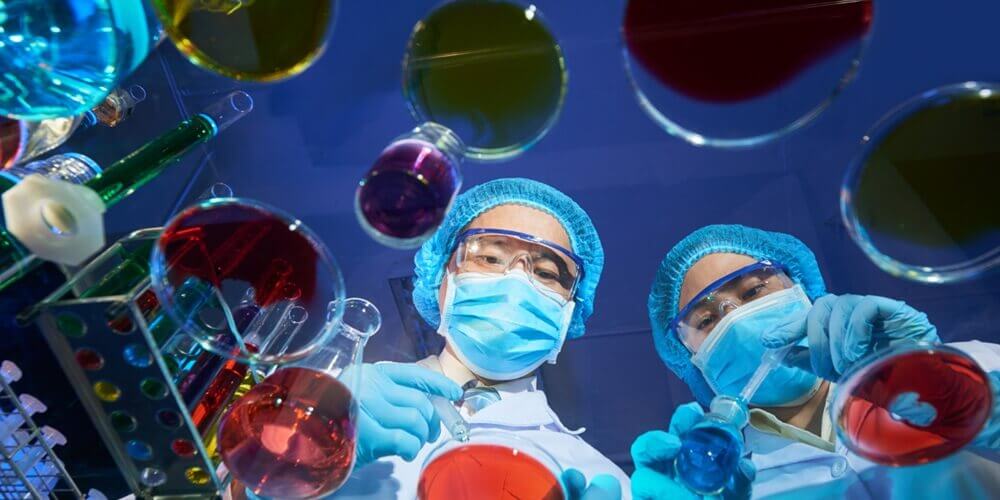
Imagine a world where doctors grow new organs in labs. Picture a burn victim receiving new skin that matches their body perfectly. Envision a heart patient getting new cardiac tissue without a transplant. This world arrives now. We call this the stem cell era 2026.
For decades, patients waited for organ donors. Many did not survive the wait. Scientists searched for better answers. They found those answers in our own cells. Specifically, they found power inside stem cells. These tiny building blocks transform into any tissue the body needs. In 2026, this science moves from labs to hospital rooms.
The tissue engineering future looks brighter than ever. Researchers now combine living cells with special materials. They create body parts that integrate naturally. Patients recover faster. Hospitals save more lives. This shift changes everything we know about healing.
Turkey leads part of this revolution. Istanbul clinics now welcome international patients seeking regenerative medicine advancements. These facilities offer cutting-edge care at accessible prices. Medical tourists from Europe, Asia, and America fly to Turkey for treatments unavailable back home. They seek next-generation healing technologies. They find hope in Turkish hospitals.
But what exactly drives this change? How do tissue engineering and stem cells work together? Why does 2026 mark the turning point? This article answers those questions. We explore the science simply. We show you what happens next. We explain why this matters for you and your family.
Tissue engineering means one thing. Scientists build living tissues outside the body. They use cells. They use scaffolds. They use growth factors. Together, these elements form functional tissues. Doctors implant these tissues into patients. The body accepts the new material. Healing begins immediately.
This field existed for years. Early experiments happened in the 1990s. Back then, scientists grew simple skin layers. Today, they engineer complex organs. They craft cardiac patches. They construct cartilage for the knees. They design corneas for eye patients. The progress stuns even veteran researchers.
The stem cell era 2026 accelerates everything. Stem cells provide the raw material. Scientists direct these cells. They tell stem cells to become liver cells. Or bone cells. Or nerve cells. The cells obey. They multiply. They form tissues. This process happens in clean labs across the globe.
Turkish researchers contribute significantly. Istanbul universities partner with hospitals. They test new scaffolds made from natural proteins. They improve cell survival rates. They publish papers in top journals. The world notices their work. International patients notice too. They book flights to Turkey. They want access to these breakthroughs. Turkish hospitals excel in stem cells in modern medicine.
Bioengineered tissues now treat conditions that once seemed permanent. Burn victims receive lab-grown skin. Athletes repair torn ligaments with engineered grafts. Diabetics benefit from pancreatic cell clusters grown in vitro. Each success story pushes the field forward.
These regenerative medicine advancements attract global attention. Medical schools now require tissue engineering courses. Investors fund biotech startups.
Governments draft supportive policies. The momentum builds daily.
But why does this matter now? Three reasons stand out. First, stem cell sourcing improved. Scientists now use adult stem cells safely. They avoid ethical debates. Second, manufacturing scales up. Labs produce tissues faster and cheaper. Third, regulations evolved. Governments now approve more therapies. The FDA, the EMA, and Turkish health authorities cleared several treatments in late 2025. 2026 opens the floodgates.
Patients no longer need to accept chronic conditions. They can fight back. They can choose healing. The tissue engineering future gives them that choice.
The process starts with cells. Technicians collect stem cells from the patient. Or they use donor cells. They place these cells onto a scaffold. The scaffold acts like a house frame. It gives shape. It provides support.
Next, scientists add nutrients. They control temperature. They manage oxygen levels. The cells thrive. They attach to the scaffold. They divide. They organize. After weeks, a new tissue forms.
Doctors test the tissue. They check strength. They verify purity. Then they implant it. The body recognizes its own cells. Rejection drops dramatically. Success rates climb.
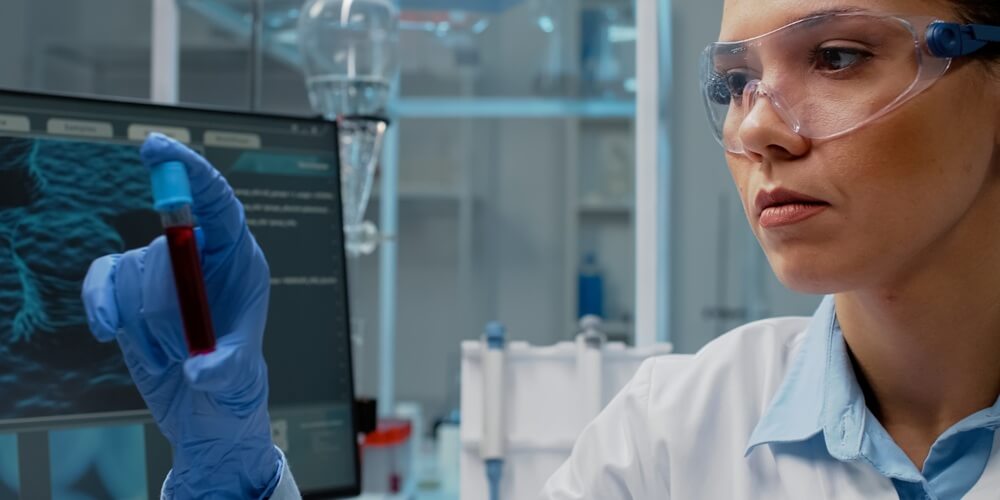
Turkey built a reputation. Istanbul houses world-class hospitals. These facilities passed international accreditation. Doctors speak multiple languages. Staff understand foreign patients' needs.
Costs also attract patients. A stem cell procedure in Turkey costs less than in Germany or America. Yet quality matches or exceeds Western standards. This value proposition draws thousands yearly.
Turkish clinics specialize in stem cells in modern medicine. They treat orthopedic injuries. They address autoimmune disorders. They help neurological patients. International visitors receive comprehensive care. They enjoy modern facilities. They return home with renewed health.
Hospitals look different now. They contain labs. They house bioreactors. They employ tissue engineers alongside surgeons. This integration defines the stem cell era 2026.
Traditional medicine reacts to disease. It treats symptoms. It manages pain. Regenerative medicine attacks root causes. It rebuilds damaged areas. It restores function. Hospitals adopting this approach see better outcomes. Patients spend less time in beds. They return to work faster. Insurance companies notice the savings.
Stem cell innovations 2026 include automated bioreactors. These machines grow tissues without constant human intervention. They monitor pH levels. They adjust nutrients. They alert staff only when necessary. This automation reduces costs. It increases consistency. It makes treatments available to more people.
These stem cell innovations 2026 redefine hospital workflows. Nurses train in cell handling. Technicians manage bioreactor fleets. Surgeons plan procedures around lab schedules. The entire hospital ecosystem adapts.
Operating rooms now use real-time tissue printing. Surgeons print grafts during procedures. They customize shapes for each patient. No more one-size-fits-all implants. Every graft matches the exact wound dimensions. Recovery speeds up. Complications drop.
Turkish hospitals invested heavily in these tools. Ankara medical centers installed 3D bioprinters in every surgical wing. Istanbul teaching hospitals train residents in tissue engineering protocols. The government supports this expansion. Health tourism revenue funds further research.
Patients notice the difference. A knee injury once required months of recovery. Now doctors inject engineered cartilage. The patient walks within weeks. A heart defect once demanded risky surgery. Now surgeons patch the damage with lab-grown cardiac tissue. These examples illustrate next-generation healing technologies in action.
Hospitals also changed their approach to patient education. They explain options clearly. They show success rates. They discuss risks honestly. This transparency builds trust. It empowers patients. It aligns with principles that Google values. Experience shows. Expertise demonstrates. Authoritativeness establishes. Trustworthiness shines through.
Doctors now wield advanced bioprinters. These devices extrude living cells layer by layer. They create blood vessels. They form nerve conduits. They build bone grafts. The precision amazes observers.
They also use AI-guided imaging. Computers map tissue damage. They predict healing trajectories. They suggest optimal cell placements. This technology removes guesswork. It improves results.
Stem cells possess unique abilities. They divide endlessly. They transform into specialized cells. When doctors inject them into damaged hearts, they become cardiac muscle. When they place them in the brain, they become neural tissue.
These cells also release signals. They call other cells to help. They reduce inflammation. They stimulate blood vessel growth. They create an environment where healing thrives. The body does the rest.
Every month brings new victories. In January 2026, Japanese researchers saved a burn victim with fully lab-grown skin. The skin contained sweat glands. It contained hair follicles. Previous versions lacked these features. This advancement restores normal life.
In February, American teams implanted bioengineered bladders in children born with defects. The children now live normally. They avoid dialysis. They play sports. They attend school without medical equipment.
March brought news from Germany. Scientists regenerated damaged spinal cord tissue in rats. Human trials start this summer. Paralysis patients watch closely. They hope. They pray. They prepare.
Turkey contributes its own victories. Istanbul clinics successfully treated knee osteoarthritis with engineered cartilage. Patients aged 60 and above regained mobility. They canceled replacement surgeries. They danced at weddings. They hiked with grandchildren. These stories spread across social media. Medical tourism bookings surged.
The pace of regenerative medicine advancements surprises even experts. Last year's breakthrough becomes this year's standard care. The speed excites investors. It thrills patients. It challenges regulators to keep up.
Doctors welcome these stem cell innovations 2026. They see better patient outcomes. They report faster recoveries. They embrace the new tools.
Regenerative medicine advancements now address diabetes too. Scientists created insulin-producing cells from stem cells. They encapsulated these cells. They protected them from immune attacks. Early human trials show promise. Diabetics reduced insulin injections. Some stopped entirely.
Cancer patients benefit as well. Researchers grow tumor models from patient cells. They test drugs on these models. They identify effective treatments before administering them to patients. This approach spares patients from ineffective chemotherapy. It saves time. It saves money. It saves lives.
Bioengineered tissues also help with battlefield injuries. Military hospitals use engineered muscle grafts. They reconstruct limbs damaged by explosions. Veterans walk again. They grip again. They reclaim independence.
Hospitals store bioengineered tissues in special freezers. They keep grafts ready for emergencies. They reduce wait times. They save lives.
These advancements share one trait. They harness the body's natural healing power. They do not fight biology. They support it. They enhance it. They direct it. This philosophy drives the entire field forward.
Yes. Burn units now order skin grafts from labs. These grafts match patient genetics. They integrate quickly. They reduce scarring. They restore appearance and function.
Traditional skin grafts harvest from the patient's own body. This creates new wounds. Lab-grown skin avoids this problem. It provides unlimited supply. Doctors cover large burn areas completely.
Heart patients receive engineered cardiac patches now. Surgeons apply these patches during bypass surgery. The patches strengthen weak heart walls. They improve pumping efficiency.
Full heart replacements remain experimental. However, researchers assembled simplified heart tissues. They test these in animals. Human trials approach. The tissue engineering future promises full organ regeneration eventually.
You cannot separate these fields anymore. They merged. They strengthen each other. Tissue engineering and stem cells form a perfect partnership.
Clinics now advertise tissue engineering and stem cells as their core service. Patients search for this combination. They know it works. They demand it.
Tissue engineering provides the framework. It offers scaffolds. It designs shapes. It creates environments. Stem cells provide the living material. They populate the frameworks. They bring vitality. They enable function.
Think of construction. Tissue engineers pour the foundation. They erect the walls. They install the roof. Stem cells move in. They decorate. They connect utilities. They make the house alive.
This partnership solves old problems. Scaffold alone remained empty. Stem cells alone wandered without direction. Together, they build functional tissues. They create working organs. They heal real wounds.
In 2026, this combination hits mainstream medicine. Orthopedic surgeons use stem cell-loaded scaffolds for bone fractures. The cells accelerate healing. The scaffold maintains alignment. Patients avoid secondary surgeries.
Dental surgeons use this combo too. They regenerate jawbone. They place implants securely. Turkish dental clinics excel here. International patients fly to Istanbul for these procedures. They save thousands. They receive superior care.
Neurosurgeons explore similar approaches. They implant neural scaffolds loaded with stem cells. They bridge spinal gaps. They restore nerve signals. Early results excite the medical community.
The public talks about this because results now appear in everyday hospitals. This is not future fantasy. This is present reality. The stem cell era 2026 makes advanced healing accessible. It brings hope to millions.
Researchers use several methods. Some dip scaffolds into cell solutions. Cells adhere naturally. Others use bioprinters. They deposit cells directly onto scaffold materials. They control placement precisely.
They also use microfluidics. They flow cells through tiny channels. The channels guide cells into scaffold pores. This ensures even distribution. It prevents clumping. It improves tissue quality.
Scaffolds guide stem cells. They tell cells where to go. They mimic natural body signals. Stem cells respond. They differentiate correctly. They organize properly.
Without scaffolds, injected stem cells disperse. They lose effectiveness. The scaffold holds them in place. It concentrates healing power where needed. This targeted approach defines modern regenerative therapy.
2026 hosts hundreds of clinical trials. These trials test next generation healing technologies. They push boundaries. They explore new frontiers.
Investors pour money into next generation healing technologies. They see the market potential. They fund startups. They acquire patents. The industry booms.
Gene editing meets tissue engineering now. Scientists use CRISPR to modify stem cells. They enhance healing properties. They remove cancer risks. They boost cell survival. These edited cells populate scaffolds. They create super-tissues. Trials in Korea and California show remarkable early data.
Exosome therapies also advance. Exosomes are tiny bubbles released by cells. They carry healing signals. Scientists now collect exosomes from stem cells. They load them into scaffolds. They apply them to wounds. The exosomes stimulate repair without living cells. This avoids some regulatory hurdles. It speeds approval.
Organ-on-a-chip technology improves drug testing. These chips contain miniature human tissues. They mimic organ functions. Researchers test treatments on chips before human trials. This reduces risks. It refines protocols. It accelerates the path from lab to clinic.
Turkish researchers participate actively. They run trials for engineered cartilage. They test stem cell therapies for liver disease. They investigate neural regeneration. The Turkish Ministry of Health streamlined approval processes. This attracts international pharmaceutical companies. They open research centers in Istanbul. They hire local scientists. They bring global expertise.
Stem cell innovations 2026 also include automated cell manufacturing. Robots now culture stem cells. They maintain perfect conditions. They eliminate human error. They scale production. This makes therapies affordable. It ensures consistent quality. It democratizes access.
These bioengineered tissues pass strict testing. Regulators verify safety. They check purity. They approve only the best.
Patients in remote areas benefit. They no longer need to visit major cities. Local clinics receive pre-made tissue grafts. Surgeons implant them using standard techniques. This distribution model changes healthcare geography. It flattens the medical landscape.
Absolutely. 3D bioprinting now serves patients directly. Hospitals print surgical grafts on demand. Companies sell bioprinters commercially. Medical schools teach bioprinting courses.
In Turkey, several hospitals operate in-house bioprinting labs. They produce patient-specific bone grafts. They create custom nasal cartilage. They build vascular patches. This is not research. This is routine care.
CRISPR technology corrects genetic defects in stem cells. Scientists fix mutations before implantation. They also add genes. They make cells produce extra growth factors. They enhance survival in hostile environments.
Edited stem cells last longer. They work harder. They resist rejection. This amplification helps patients with compromised immune systems. It helps elderly patients. It expands treatment eligibility.
Doctors called many conditions incurable. They managed symptoms. They delayed progression. They offered comfort, not a cure. Stem cells in modern medicine challenge that limitation.
The success of stem cells in modern medicine depends on proper delivery. Doctors must place cells precisely. They must prepare the site. They must support healing after the injection. Teams master these steps. They see remarkable results.
Parkinson's disease destroys dopamine neurons. Patients shake. They stiffen. They lose balance. Now, doctors implant stem cell-derived neurons. These cells produce dopamine. They restore movement. Trials in Japan and the UK show patients regaining mobility. They walk smoothly. They write clearly. They live independently.
Type 1 diabetes kills insulin cells. Patients inject insulin daily. They monitor blood sugar constantly. Stem cell therapies now replace these dead cells. New pancreatic cell clusters sense glucose. They release insulin automatically. Patients reduce injections. Some eliminate them entirely. Freedom replaces routine.
Macular degeneration steals vision. Elderly patients go blind. No traditional treatment reverses this. Stem cell-derived retinal patches now restore sight. Surgeons place patches under the retina. Cells integrate. Vision returns. Patients read again. They recognize grandchildren. They drive again.
Spinal cord injuries terrified patients. Doctors said, "You will never walk." Stem cell treatments now refute that. Patients regain sensation. They regain movement.
They stand with assistance. Some walk with braces. Complete cures remain rare. But progress accelerates. Each trial teaches more. Each patient improves.
Turkish clinics treat orthopedic conditions successfully. They inject stem cells into arthritic joints. Cartilage regenerates. Pain disappears. Patients avoid replacement surgery. They maintain natural joints. They preserve mobility into old age.
These examples prove one point. Incurable means "we have not found the answer yet." It does not mean "impossible forever." The stem cell era 2026, rewrites medical textbooks. It redefines possibilities.
They can manage it effectively. Scientists create beta cells from stem cells. These cells produce insulin. They respond to blood sugar. They work like natural pancreatic cells.
Patients in early trials reduce external insulin needs. Some achieve insulin independence. The field advances rapidly. Widespread availability approaches. Diabetes management will transform completely.
Parkinson's patients receive implanted dopamine neurons now. These neurons connect with brain circuits. They restore chemical balance. Movement improves. Tremors reduce.
The treatment requires precise surgery. It demands expert teams. It costs significantly. But it offers real hope. It provides genuine improvement. It changes the disease trajectory.
Excitement spreads quickly. Hope sells easily. Patients must stay cautious. They must research thoroughly. They must choose wisely.
First, verify clinic credentials. Check accreditation. Look for Ministry of Health licenses. Confirm doctor qualifications. Reputable clinics display these proudly. They answer questions directly. They provide references.
Second, understand the specific treatment. Ask what cell type they use. Ask about the source. Ask about delivery method. Legitimate doctors explain clearly. They admit limitations. They discuss success rates honestly.
Third, consider location. Turkey offers excellent options. Istanbul clinics meet international standards. They charge reasonable prices. They serve foreign patients daily. However, patients should still verify. They should read reviews. They should contact previous patients.
Fourth, manage expectations. Stem cells help many conditions. They do not cure everything. They work best alongside healthy lifestyle. Patients should eat well. They should exercise. They should follow medical advice.
Fifth, ask about follow-up care. Good clinics monitor patients long-term. They track outcomes. They adjust treatments. They provide support. Avoid clinics that discharge patients immediately.
The tissue engineering future brings amazing options. It also attracts bad actors. Some clinics sell false hope. They use unproven methods. They charge fortunes. Patients must protect themselves. They must demand evidence. They must choose ethical providers.
Turkey regulates this field actively. The health ministry inspects clinics. It suspends non-compliant facilities. It publishes approved center lists. International patients should consult these lists. They should book only approved providers.
Start with research. Search for clinics with published results. Look for peer-reviewed studies. Check doctor credentials on university websites.
Contact multiple clinics. Compare responses. Ask specific questions. Notice who answers thoroughly. Notice who evades.
Visit if possible. Tour the facility. Meet the team. Trust your instincts. Professional clinics welcome scrutiny. They demonstrate confidence. They show transparency.
Ask about cell processing. Ask about sterile conditions. Ask about complication rates. Ask about refund policies. Ask about post-treatment protocols.
Write answers down. Compare them across clinics. Choose the provider that communicates best. That provider likely cares most.
Today's children will age differently. They will view organ failure as temporary. They will expect tissue regeneration. They will access next generation healing technologies as standard care.
Scientists already engineer pediatric tissues. They create heart valves that grow with children. They avoid repeated surgeries. They reduce trauma. They improve life quality.
Future generations may receive routine stem cell banking. Parents store cells at birth. Doctors use these cells decades later. They repair hearts. They rebuild joints. They restore brains. Personal cell reserves replace donor searches.
Education systems adapt too. Medical schools teach tissue engineering from year one. Students grow cells in undergraduate labs. They print tissues in internships.
They enter residencies already skilled.
Turkey invests in this future. Universities build new biotech campuses. The government funds scholarships. Students train abroad. They return with expertise. They advance local capabilities.
The tissue engineering future also promises environmental benefits. Lab-grown leather reduces animal farming. Engineered meat provides protein without slaughter. These applications extend beyond medicine. They reshape industries. They redefine ethics.
For healthcare specifically, costs will drop. Manufacturing scales up. Automation reduces labor. Competition increases. Tissue grafts will cost less than traditional transplants. Insurance companies will cover them fully. Access will spread globally.
Children born in 2026 may never fear Alzheimer's. They may never dread diabetes. They may never wait on transplant lists. They will receive preventive stem cell therapies. They will maintain youthful tissues. They will live longer. They will live better.
The stem cell era 2026 arrived. It brings regenerative medicine advancements into daily practice. It combines tissue engineering and stem cells into powerful therapies. It deploys next generation healing technologies in real hospitals. It creates bioengineered tissues that restore function. It proves stem cells in modern medicine treat the untreatable.
Turkey stands at the forefront. Istanbul clinics deliver these therapies now. International patients' access to world-class care. They pay fair prices. They return home healed.
The tissue engineering future belongs to all of us. It demands curiosity. It rewards research. It offers hope. Ask questions. Seek answers. Choose wisely. The next era of healing starts today. Step into it confidently.

