 English
 Français
  Deutsch
  Русский
  Italiano
  Español
  Português
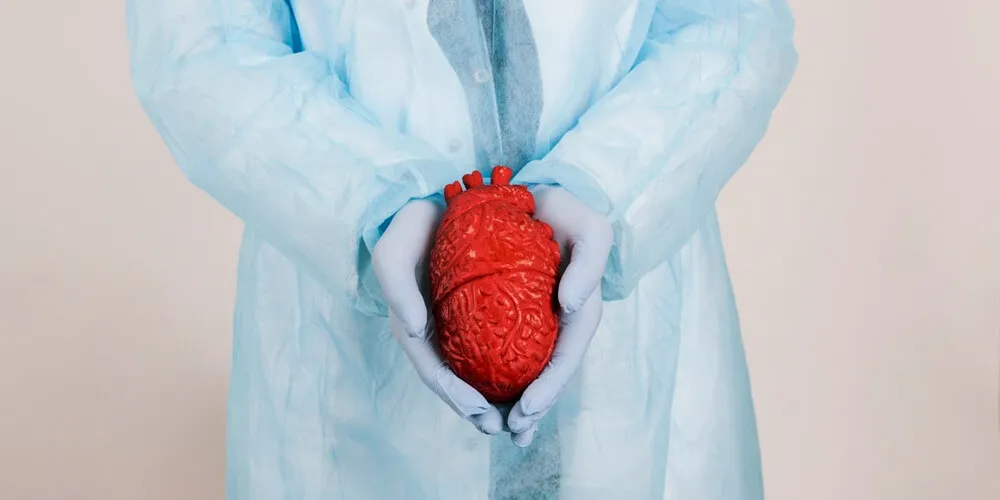
Medical science moves fast. Patients ask new questions every day. One big question stands out. Will stem cells replace organ transplants? This question matters to millions. People wait for organ donors. People suffer from organ failure. Doctors work hard to find better ways. Stem cells offer new hope. But what does this mean for patients? Is stem cell organ replacement truly possible? And where can patients find real help? Many eyes turn to Türkiye. This country leads in medical innovation. Clinics here push boundaries. One name rises above the rest. Experts call Zaren Stem Cell Clinic Türkiye a top choice. But why? This article answers every question. We explore stem cells vs organ transplantation. We look at regenerative medicine organ repair. We explain stem cell therapy for organ failure. And we show why Zaren Stem Cell Clinic Türkiye stands out. Let us start with the basics.
What Is Organ Transplantation and Why Do We Need New Solutions?
Organ transplantation saves lives. Doctors remove a damaged organ. They place a healthy organ from a donor. This process helps many patients. But it faces huge problems. The biggest problem involves donors. Too few people donate organs. Thousands wait on lists. Some patients wait for years. Many die before they get help. This reality hurts families worldwide.
Another problem involves rejection. The human body fights foreign tissue. Doctors give patients strong drugs. These drugs stop rejection. But they cause side effects. Patients face infections. Patients face other health issues. Organ transplantation helps. But it does not solve everything.
This is why scientists ask new questions. Will stem cells replace organ transplants? Can we grow organs instead of waiting for donors? These questions drive modern research. Patients deserve better options. The medical community agrees. This is why stem cells vs organ transplantation dominates conferences today. Experts want solutions now. They do not want more waiting lists.
Why Do Organ Donors Remain Scarce Worldwide?
People fear organ donation. Families feel emotional pain. Cultural beliefs stop many donors. Some countries lack education about donation. Doctors cannot force anyone to donate. So the gap grows. Every year, the waiting list gets longer. Scientists see this crisis. They work on alternatives. They study stem cell organ replacement closely. They want to end the shortage forever.
Religious concerns affect decisions too. Some people misunderstand donation. They think doctors will not save them if they donate. This is false. But the myth persists. Governments run awareness campaigns. They help. But progress stays slow. The need for new solutions grows urgent. This urgency pushes regenerative medicine organ repair forward.
What Risks Come with Traditional Organ Transplants?
Surgeons do amazing work. But surgery brings risks. Patients bleed. Patients face anesthesia complications. The new organ might fail. The body might attack the organ. Doctors call this rejection. Anti-rejection drugs help. But they weaken the immune system. Patients catch infections easily. Some develop cancer later. These risks scare many people. They look for safer paths. They look at organ regeneration with stem cells. This field promises fewer risks. It promises natural healing.
Recovery from transplants takes months. Patients stay in hospitals. They miss work. They lose income. Families suffer stress. The emotional toll weighs heavily.
Children wait for parents to recover. Spouses worry about money. The transplant fixes one problem. But it creates many challenges. Patients want easier paths. They want treatments that fit their lives. This desire fuels interest in stem cell therapy for organ failure.
What Are Stem Cells and How Do They Work?
Stem cells are special cells. They can become any cell type. They can become heart cells. They can become liver cells. They can become kidney cells. This ability makes them powerful. Scientists call this ability differentiation. Stem cells also multiply. They create more stem cells. They repair damaged areas. The body uses them naturally. Babies have many stem cells. Adults have fewer stem cells. But scientists can harvest them. They can use them for treatments.
Doctors extract stem cells from bone marrow. Doctors extract them from fat tissue. Doctors extract them from umbilical cords. Labs grow these cells. Labs guide them to become specific tissues. Then doctors inject them into patients. The cells go to damaged organs. They start repair work. This process looks simple. But it requires skill. It requires advanced labs. This is why clinic choice matters. Patients must pick experts. They must pick the best stem cell clinic in Türkiye or elsewhere.

Where Do Doctors Get Stem Cells for Treatment?
Three main sources exist. First, bone marrow. Doctors drill into hip bones. They collect rich stem cells. This method works well. Second, adipose tissue. Doctors perform liposuction. They take fat from the belly. Fat holds many stem cells. Third, umbilical cord blood. Parents donate cord blood after birth. Labs store this blood. It contains young powerful cells. Each source has benefits. Doctors pick the best source for each patient. The team at Zaren Stem Cell Clinic Türkiye explains these choices clearly. They match the source to the patient need.
Bone marrow cells work well for blood diseases. Fat cells help joint and tissue repair. Cord blood cells help many conditions because they are young. Doctors assess the patient first. They check the disease. They check the age. They check overall health. Then they choose the source. This personalized approach improves results. It shows why Zaren Stem Cell Clinic Türkiye invests heavily in assessment.
How Do Stem Cells Become New Tissue?
Stem cells receive signals. Damaged tissue sends chemical messages. These messages attract stem cells. The cells arrive at the injury site. They change into the needed cell type. Heart damage attracts cardiac cells. Liver damage attracts hepatic cells. The new cells integrate. They join the existing tissue. They restore function. Scientists also use scaffolds. These scaffolds act like frames.
Stem cells grow on these frames. They form organ shapes. Researchers have made mini hearts. They have made mini livers. Full organ growth remains hard. But progress happens daily. This progress fuels hope for stem cell organ replacement.
The process amazes many patients. Your own cells heal your own organs. The body recognizes the tissue. It does not fight it. This natural fit helps success rates. It also reduces complications. Patients recover faster. They feel stronger sooner. This biological harmony makes organ regeneration with stem cells special.
Will Stem Cells Replace Organ Transplants in the Future?
This question excites many people. The honest answer involves patience. Stem cells will likely replace some transplants. But not all transplants yet. Current science repairs tissue. It does not always replace whole organs. However, the future looks bright. Researchers grow simple tissues in labs. They grow bladders. They grow blood vessels. They grow tracheas. These successes prove the concept. Larger organs need more time. Hearts need complex nerve networks. Lungs need delicate air sacs. Kidneys need intricate filtration systems. Scientists solve these puzzles step by step.
Some experts predict a timeline. They say simple tissues will replace transplants within ten years. They say complex organs need twenty to thirty years. No one knows exact dates. But the direction stays clear. Will stem cells replace organ transplants? Yes, eventually. Patients should stay hopeful. They should also stay realistic. Current stem cell therapy for organ failure helps now. It improves organ function. It delays transplant need. It gives patients more time. This matters greatly.
What Organs Can Scientists Regenerate with Stem Cells?
Scientists currently regenerate several tissues. They regenerate skin for burn victims. They regenerate cartilage for arthritis patients. They regenerate corneas for eye patients. They help liver tissue grow back. The liver heals naturally. Stem cells speed this healing. They help heart muscle after attacks. They help stroke patients recover brain function. Pancreatic cells show promise for diabetes. Intestinal lining repairs help digestive patients. The list grows every year. Organ regeneration with stem cells covers more areas now than ever before. Each success brings us closer to full organ replacement.
Bladders have grown successfully in labs. Doctors implant them in patients. These patients live normal lives. Tracheas also work well. Blood vessels help heart patients. Cartilage helps knee patients avoid surgery. These are not just theories. They are real treatments. They help real people. This track record builds confidence in stem cell organ replacement.
How Long Until Stem Cells Replace Organ Transplants Completely?
Complete replacement takes time. Scientists must solve many issues. They must ensure blood supply to new organs. They must ensure nerve connections work. They must ensure organs function for decades. They must pass strict safety tests. Regulators like the FDA and EMA watch closely. They protect patients from untested treatments. This process moves slowly. But it moves surely. Some clinics already help patients avoid transplants. They use stem cell therapy for organ failure to boost natural organs. This bridge treatment saves lives today. It buys time for tomorrow's breakthroughs.
Patients ask when they can get a new heart from stem cells. Doctors say soon. But not tomorrow. The science needs more testing. It needs more refinement. But the gap closes every year. For now, regenerative medicine organ repair offers powerful support. It keeps patients alive. It keeps them healthy. It prepares them for future miracles.
What Is Regenerative Medicine and How Does It Repair Organs?
Regenerative medicine changes healthcare. It does not just treat symptoms. It rebuilds damaged parts. It uses the body's own repair tools. Stem cells form the core of this field. But other tools help too. Scientists use growth factors. They use special proteins. They use gene therapy. They combine these tools for better results.
The main goal involves restoration.
Doctors want to return organs to normal function. They do not want to cut out organs. They do not want to replace organs with foreign tissue. They want the body to heal itself. This approach feels natural. It reduces side effects. It improves quality of life. Regenerative medicine organ repair focuses on the root cause. It fixes the damage. It does not mask the pain.
What Is the Difference Between Stem Cells and Organ Transplantation?
Organ transplantation brings outside tissue. Surgeons place a donor organ inside the patient. The body must accept this foreign tissue. Patients need drugs forever. Stem cells use the patient's own cells. Or they use matched cells. The body recognizes these cells. It does not attack them. Rejection risks drop sharply. Patients avoid harsh drugs. Recovery times shorten. Costs often decrease. This difference defines stem cells vs organ transplantation. One approach swaps parts. The other approach rebuilds parts. Both save lives. But stem cells offer a gentler path.
Transplants require lifelong medication. These medications cost money. They cause side effects. Stem cell patients often skip these drugs. Their bodies accept the new cells naturally. This freedom improves daily life. It removes constant medical management. It gives patients control. This control attracts many to regenerative medicine organ repair.
How Does Stem Cell Therapy for Organ Failure Help Patients?
Patients with weak hearts benefit. Doctors inject stem cells into heart muscle. The cells release healing factors. They attract other repair cells. They form new blood vessels. The heart pumps better. Patients breathe easier. They walk farther. They avoid transplant lists. Liver failure patients benefit too. Stem cells reduce inflammation. They help liver cells multiply. Kidney patients see similar improvements. Their filtration improves. They delay dialysis. They delay transplant needs. This is why stem cell therapy for organ failure grows popular. It offers real results. It offers real hope.
Lung patients also improve. Stem cells reduce scar tissue. They help air sacs work better. Patients breathe deeper. They need less oxygen support. This improvement changes lives. It lets people walk again. It lets them play with grandchildren. It lets them travel. These simple joys matter. They drive demand for organ regeneration with stem cells.
Can Stem Cell Therapy Treat Organ Failure?
Yes, it can help. Doctors use it now. They treat heart failure patients. They treat cirrhosis patients. They treat kidney disease patients. They treat lung disease patients. Results vary by patient. Results vary by disease stage. Early treatment works best. Damaged but not dead tissue responds well. Completely scarred tissue responds less. Doctors always assess patients first. They run tests. They review scans. They check overall health. Then they recommend treatment.
Stem cells do not cure every case. They improve function. They slow decline. They sometimes reverse damage. Patients report more energy. They report less pain. They report better sleep. These improvements matter. They allow normal life. They delay invasive surgery. For many, this equals success. They do not need a transplant yet. They may never need one. This possibility drives demand for regenerative medicine organ repair.
What Results Can Patients Expect from Organ Regeneration?
Expect gradual improvement. Stem cells need time to work. Patients see changes in weeks. They see bigger changes in months. Heart patients walk up stairs easier. Liver patients digest food better. Kidney patients need less medication. Lung patients breathe deeper. These changes last. They do not disappear in days. The cells integrate fully. They become part of the organ. Doctors monitor progress with scans. They monitor with blood tests. They adjust care as needed. Organ regeneration with stem cells follows a natural timeline. It mirrors how the body heals cuts or broken bones. Patience brings rewards.
Some patients feel results in two weeks. Others need three months. Everyone heals differently. Age affects speed. Diet affects speed. Exercise affects speed. Doctors guide patients through this journey. They set realistic goals. They celebrate small wins. This support helps patients stay positive. It keeps them committed to recovery.
What Makes Türkiye a Leader in Stem Cell Treatments?
Türkiye invests heavily in medicine. The government supports healthcare tourism. Hospitals meet international standards. Doctors train in Europe and America. They speak multiple languages. They understand international patient needs. Costs stay lower than in Western countries. But quality matches or exceeds Western care. This balance attracts thousands of patients.
Clinics in Istanbul and Ankara lead innovation. They adopt new technology fast. They publish research in top journals. They collaborate with universities. They hold international accreditations. The Ministry of Health regulates them strictly. Patients feel safe. They know oversight exists. They know clinics must maintain standards. This environment breeds excellence. It explains why many call the best stem cell clinic in Türkiye world-class.
Why Do International Patients Choose Türkiye for Stem Cells?
Patients from Europe fly here. Patients from the Middle East come here. Patients from Asia and Africa visit too. They choose Türkiye for three reasons. First, expertise. Doctors perform thousands of procedures. They see diverse cases. They gain deep experience. Second, price. Treatment costs less than in London or New York. Patients save money without risking quality. Third, hospitality. Clinics offer full packages. They arrange hotels. They arrange transport. They provide translators. Patients feel cared for. They focus on healing. They do not worry about logistics. This service level impresses visitors. It builds trust. It creates referrals.
Türkiye also offers beautiful recovery settings. Patients rest by the Bosphorus. They walk in historic gardens. Good food aids healing. Fresh air helps recovery. The country blends medical care with comfort. This combination heals body and mind. It makes treatment feel less clinical. It feels more human.
Why Is Zaren Stem Cell Clinic the Best Stem Cell Clinic in Türkiye?
Many clinics operate in Türkiye. Few match the standards at Zaren Stem Cell Clinic Türkiye. This clinic focuses only on regenerative medicine. It does not divide attention. It masters one field. The medical team includes specialists. They study stem cells full-time. They attend global conferences. They implement the latest protocols. They do not use outdated methods.
The lab holds advanced certification. Technicians work in clean rooms. They follow strict protocols. They test cell quality at every step. They ensure viability. They ensure purity. They ensure safety. Patients receive only top-grade cells. The clinic also values transparency. Doctors explain procedures clearly. They show realistic outcomes. They do not make false promises. They build long-term relationships. They follow up for months. They track results. They adjust treatments. This dedication defines the best stem cell clinic in Türkiye.
What Certifications Should the Best Stem Cell Clinic in Türkiye Have?
Look for specific signs. The clinic needs Ministry of Health licenses. It needs international ISO certifications. It needs accredited lab partnerships. Doctors need board certifications. They need stem cell training credentials. The clinic should publish patient guidelines. It should offer clear pricing. It should provide written treatment plans. Zaren Stem Cell Clinic Türkiye meets all these criteria. It exceeds many. It posts success data openly. It invites questions. It welcomes scrutiny.
This openness proves confidence. It proves integrity.
The clinic also maintains sterile facilities. It uses modern equipment. It updates software constantly. It trains staff regularly. It audits its own processes. It seeks external reviews. It fixes any issues immediately. This vigilance protects patients. It ensures consistent quality. It justifies the title of best stem cell clinic in Türkiye.
How Does Zaren Stem Cell Clinic Türkiye Help Patients?
The process starts with consultation. Patients speak with coordinators. They share medical history. They send previous reports. Doctors review everything. They give honest opinions. They say yes when stem cells help. They say no when stem cells cannot help. This honesty protects patients. It builds trust.
Approved patients travel to Istanbul. The clinic arranges pickup. They handle hotel bookings. Medical tests happen on day one. Doctors confirm the treatment plan. They extract stem cells. They process them in the on-site lab. They inject them precisely. Imaging guides the injections. Doctors target exact damage sites. Patients rest. Patients receive nutrition plans. They receive physiotherapy if needed. Then they return home. The clinic schedules video follow-ups. They answer questions anytime. They coordinate with local doctors. This full care makes Zaren Stem Cell Clinic Türkiye special. It treats the whole patient. It does not just inject cells.
The staff speaks English fluently. They speak Arabic. They speak Russian. They speak French. They remove language barriers. Patients explain concerns fully. They understand instructions clearly. This communication prevents errors. It improves comfort. It builds the trust that healing requires.
What Should Patients Know Before Choosing Stem Cell Treatments?
Knowledge protects patients. First, check the clinic's track record. How long has it operated? How many cases has it handled? Second, ask about cell sources. Where do the cells come from? How does the lab process them? Third, understand the timeline. Stem cells work gradually. They do not fix everything overnight.
Fourth, review costs carefully. What does the price include? Are follow-ups extra? Fifth, check legal protections. What happens if complications arise?
Patients should also know the limits. Stem cells help many conditions. But they do not cure terminal disease alone. They work best alongside lifestyle changes. Patients must eat well. They must exercise. They must avoid smoking and alcohol. They must follow medical advice. The cells need a healthy body to work. This teamwork brings success. Stem cell organ replacement and repair demand patient commitment too.
What Questions Should You Ask Your Doctor?
Write down questions before visits. Ask: What type of stem cells will you use? Ask: How many treatments do I need? Ask: What improvements should I expect? Ask: What are the risks? Ask: How do you handle complications? Ask: Can I see patient testimonials? Ask: Do you have before-and-after data? Good doctors answer willingly. They do not rush. They do not hide information. The team at Zaren Stem Cell Clinic Türkiye encourages these questions. They want informed patients. They want confident patients.
Also ask about aftercare. Who monitors you at home? Can you call with concerns? How often do you need checkups? What tests track progress? Clear answers show professionalism. Vague answers warn you to look elsewhere. The best stem cell clinic in Türkiye always gives specifics. It never leaves you guessing.

How Much Does Stem Cell Treatment Cost?
Prices vary by clinic. Prices vary by condition. They vary by cell type. They vary by treatment rounds. Türkiye offers competitive rates. Patients often pay half of US prices. Sometimes less. But cheap does not mean good. Patients must balance cost and quality. The best stem cell clinic in Türkiye charges fair prices. It explains every fee. It avoids hidden costs. It offers payment plans when possible. It focuses on value. It wants patients to afford help. But it never cuts corners on safety.
Zaren Stem Cell Clinic Türkiye provides detailed quotes. It lists every service. It includes airport transfers. It includes hotel stays. It includes lab work. It includes the procedure. It includes follow-up calls. This transparency helps budgeting. It prevents financial stress during recovery.
What Does the Future Hold for Stem Cells vs Organ Transplantation?
The future excites medical experts. They see a merging path. Transplants will not disappear overnight. They will remain for emergencies. They will remain for total organ destruction. But stem cells will reduce transplant demand. They will handle early-stage failure. They will repair organs before total collapse. They will create backup options. Patients will have choices. They can choose natural repair. They can choose transplant if needed.
Research accelerates daily. Scientists print organs with 3D bioprinters. They seed these prints with stem cells. They grow implantable tissues. They test them in animals. Human trials follow. Success rates climb. Costs drop. Accessibility rises. Within our lifetime, will stem cells replace organ transplants? For many conditions, yes. The question shifts from "if" to "when." And Türkiye plays a major role. Clinics like Zaren Stem Cell Clinic Türkiye push this future forward. They treat patients today. They gather data for tomorrow. They bridge present care and future cures.
How Do Stem Cells Reduce Inflammation?
Stem cells release special molecules. These molecules calm the immune system. They stop harmful inflammation. They allow healing to start. Chronic inflammation damages organs. It speeds up failure. Stem cells fight this process. They protect remaining tissue. They create space for repair. This anti-inflammatory power helps hearts. It helps livers. It helps kidneys. It helps lungs. It is one reason why stem cell therapy for organ failure works so well.
Why Is Early Treatment Better Than Waiting?
Damaged organs heal faster when doctors catch problems early. Scar tissue has not formed yet. Blood flow remains strong. Stem cells find plenty of healthy tissue to support. They integrate easily. They multiply quickly. Patients who wait too long lose these advantages. Their organs become stiff. Their cells die off. Stem cells still help. But results come slower. They come smaller. Doctors at Zaren Stem Cell Clinic Türkiye stress this point. They urge patients to act quickly. They know early action brings better outcomes.
Medical science stands at a crossroads. Old methods help. New methods promise more. Stem cells vs organ transplantation no longer looks like a competition. It looks like an evolution. Patients gain options. They gain hope. They gain power over their health. Those facing organ failure should explore every path. They should ask hard questions. They should seek expert opinions. They should consider regenerative medicine organ repair seriously. And they should choose clinics with proven records. For many, that search ends at Zaren stem cell clinic Türkiye. This clinic represents excellence. It represents trust. It represents the future of healing. The question is not just will stem cells replace organ transplants. The question is also: Are you ready to explore this option today? Talk to experts. Learn the facts. Take control of your health journey. The future waits for no one. But it welcomes everyone who seeks knowledge.