

Meniscus and cruciate ligament injuries are among the most common knee injuries affecting athletes, active individuals, and people experiencing joint degeneration. These injuries damage the structural components responsible for knee stability, shock absorption, and controlled movement. When left untreated, they may lead to chronic pain, limited mobility, and long-term joint dysfunction.
Traditional treatments often focus on symptom management or surgical repair. However, many patients explore advanced biological approaches that support tissue healing at the cellular level. Stem cell therapy for meniscus and cruciate ligament injuries in Türkiye offers a regenerative treatment designed to support tissue repair, improve joint stability, and enhance functional recovery.
The knee joint contains specialized structures that support movement and stability. Damage to these structures can significantly affect joint function and physical performance.
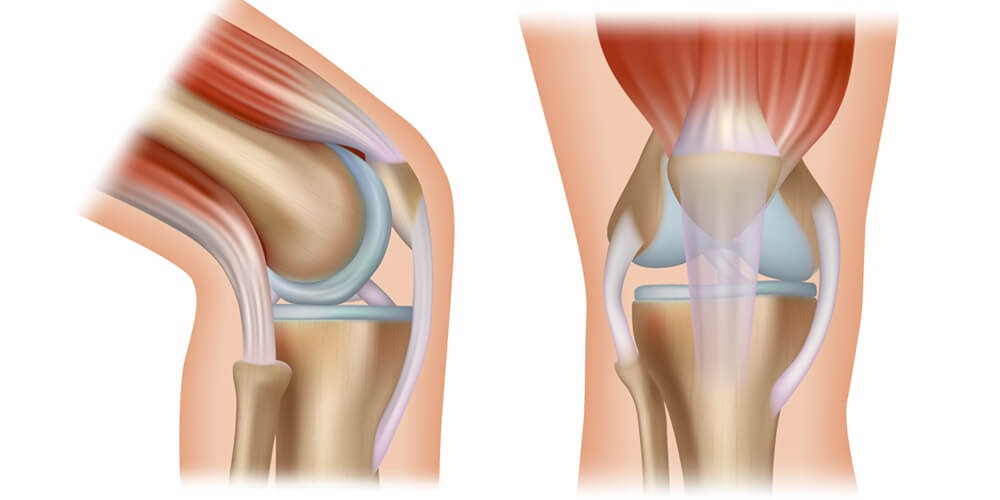
The meniscus is a C-shaped cartilage structure located between the thigh bone and shin bone. It plays a vital role in:
A meniscus tear occurs when this cartilage becomes damaged due to sudden twisting, excessive pressure, or degeneration.
The knee contains two major cruciate ligaments:
Injury to these ligaments disrupts joint stability and may cause weakness, instability, or loss of movement control.
Damage to either the meniscus or cruciate ligaments can severely impair knee mechanics and mobility.
Several factors may contribute to these orthopedic injuries.
Twisting the knee while bearing weight is a common cause, particularly during sports activities.
High-impact activities such as football, basketball, or skiing increase injury risk.
Age-related cartilage wear can weaken the meniscus and ligaments.
Falls, collisions, or sudden force to the knee can cause structural damage.
Chronic stress and overuse may gradually weaken joint structures.
These factors can result in tears, structural damage, and instability within the knee joint.
Symptoms vary depending on severity, but commonly include:
Persistent symptoms may lead to long-term joint dysfunction if not properly treated.
Damage to the meniscus or cruciate ligaments disrupts normal joint mechanics. This may result in:
Without proper treatment, chronic instability may contribute to further joint damage and mobility limitations.
Stem cell therapy for knee injuries is a regenerative medicine approach designed to support tissue healing and repair at the cellular level. Instead of only treating symptoms, regenerative therapy aims to improve the biological environment of damaged joint tissues.
Mesenchymal stem cells used in treatment are known for their ability to:
These biological effects may help improve joint stability, reduce discomfort, and support functional recovery.
Knee cartilage and ligament tissues have limited natural healing capacity. Reduced blood supply and ongoing mechanical stress often slow recovery.
Regenerative therapy focuses on:
This approach may help address underlying structural damage rather than only relieving symptoms.
Patients may consider regenerative therapy for this treatment if they:
A comprehensive medical evaluation determines treatment suitability.
Specialists assess joint stability, imaging results, injury severity, and overall health.
Regenerative cells are processed in controlled clinical laboratory environments.
Stem cells are delivered using physician-guided methods to support healing of damaged tissues.
Ongoing monitoring and rehabilitation help optimize recovery and joint function.
Treatment plans are individualized according to injury type and patient needs.
Although results vary between individuals, potential benefits may include:
Gradual improvements typically occur as tissue repair progresses.
Stem cell therapy for meniscus and cruciate ligament injuries is designed to complement traditional orthopedic care, including:
A combined treatment approach may provide more comprehensive support for recovery.
Safety is a primary priority at Zaren Stem Cell. Treatments are performed in controlled clinical environments following medical safety protocols. Patients receive detailed consultation regarding treatment expectations, potential risks, and recovery timelines.
Türkiye has become a recognized destination for regenerative orthopedic care due to:
Zaren Stem Cell provides individualized care designed to support joint healing, restore mobility, and improve long-term knee function.
Recovery varies depending on injury severity and rehabilitation participation. Many patients experience gradual improvements in:
Continuous monitoring helps support long-term joint health and recovery.

